

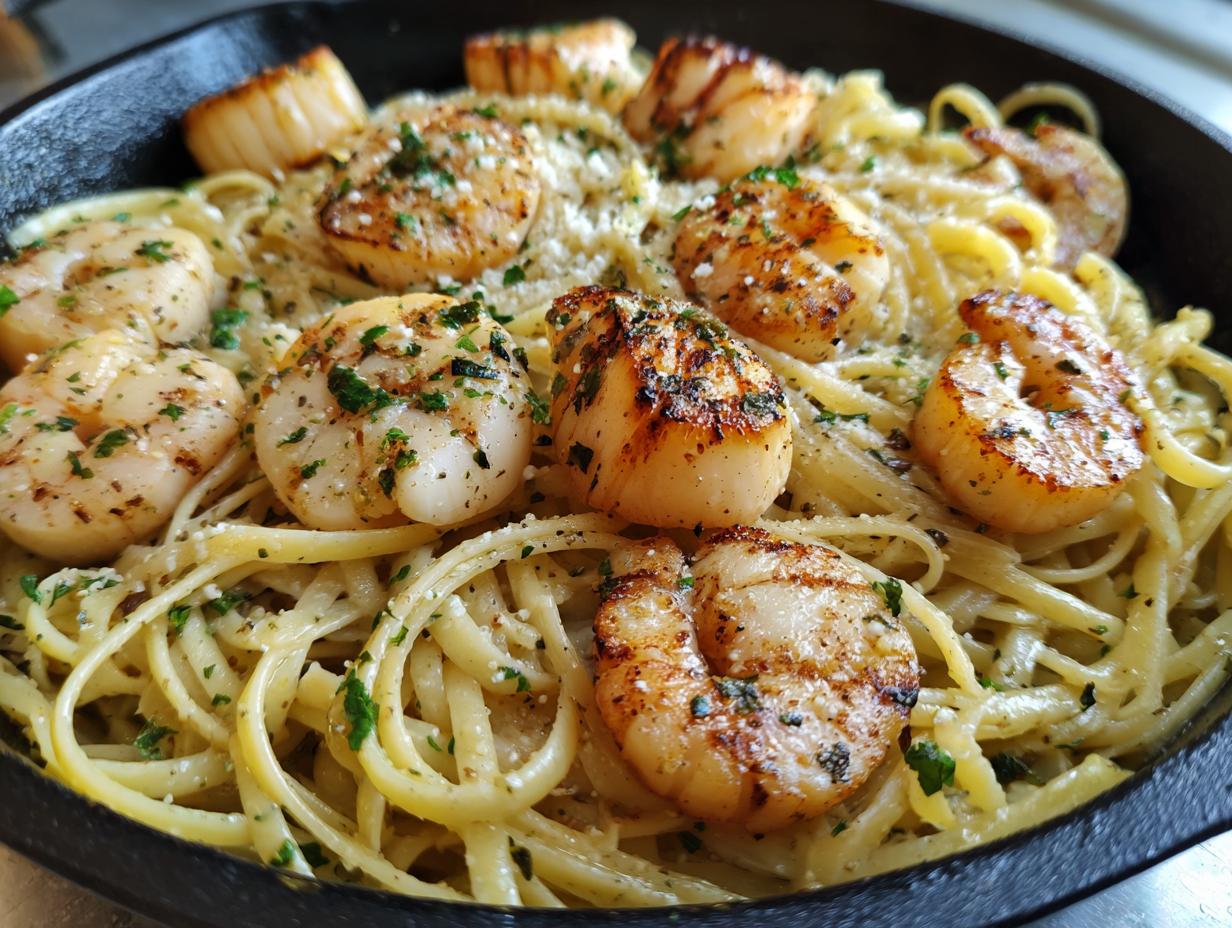
I get it—life gets busy, and sometimes you look at the clock and realize you need an impressive dinner on the table faster than the delivery app can find you. That’s exactly why I developed this Garlic Butter White Wine Seafood Pasta. I wanted that luxurious, date-night-worthy flavor we usually wait for the weekend for, but ready before the evening news even starts! This dish, featuring tender shrimp and scallops, is my personal mission statement brought to life: big flavor doesn’t need complicated steps. Forget hours of simmering; we are getting restaurant-style seafood pasta on your plate in under 35 minutes. It’s proof that even on a Tuesday, you can treat yourself like royalty.
- Why This Garlic Butter White Wine Seafood Pasta Recipe Works For You
- Ingredients for Your White Wine Seafood Pasta Sauce
- Step-by-Step Instructions for Perfect Seafood Pasta
- Tips for the Best Garlic Butter Seafood Pasta
- Variations for Your Seafood Pasta
- Serving Suggestions for Your Shrimp Pasta Recipes
- Storage and Reheating Creamy Seafood Pasta
- Frequently Asked Questions About Seafood Pasta
- Estimated Nutritional Data for This Seafood Pasta
Why This Garlic Butter White Wine Seafood Pasta Recipe Works For You
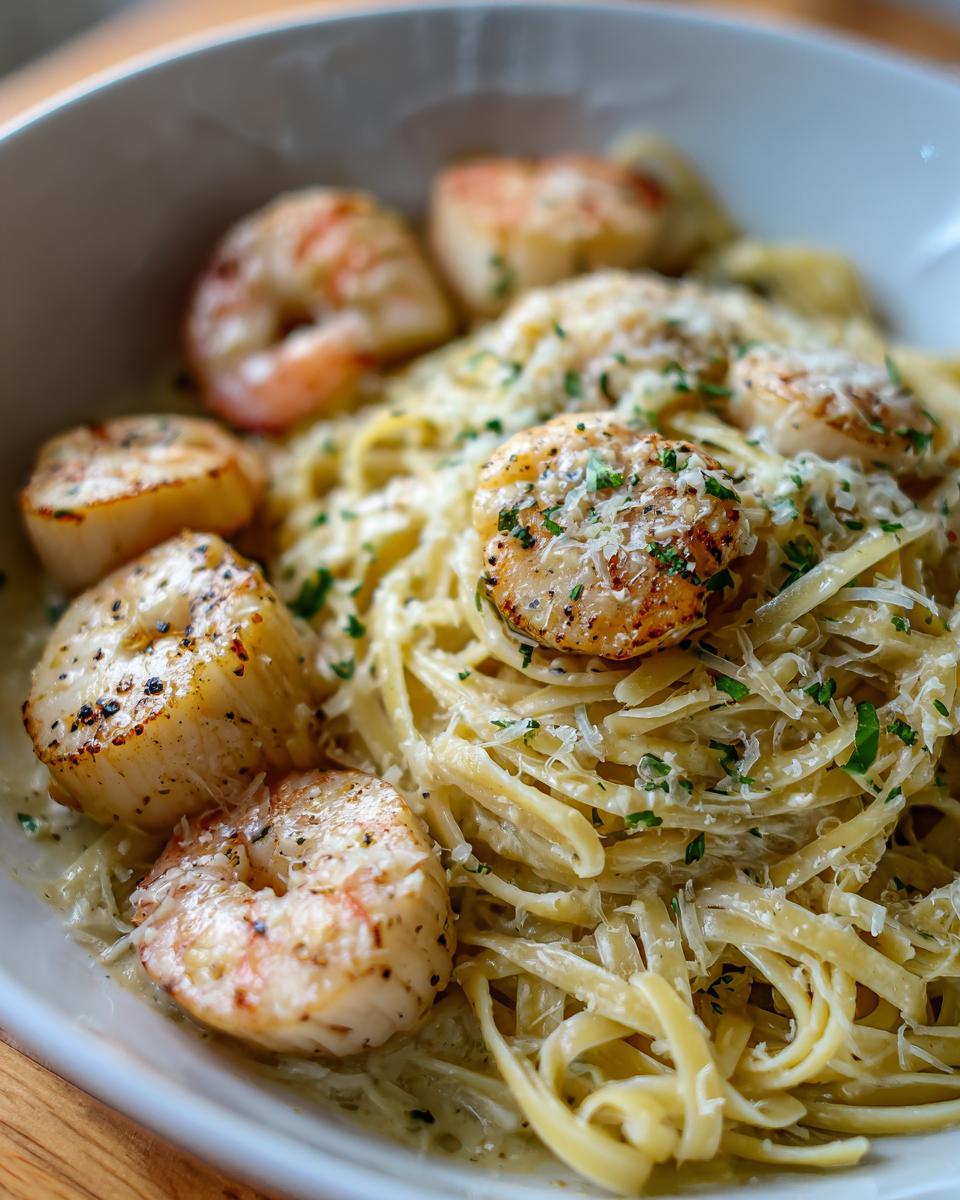
Listen, I created this recipe because I kept running into the same problem: I wanted something truly indulgent—that rich, amazing seafood alfredo pasta feel—but I didn’t have three hours to make it happen. This isn’t just another meal; it’s efficiency meets elegance. When I went through what everyone was looking for online, it was clear: you need speed without sacrificing that wow factor. That’s what this pan delivers.
-
Quick Prep for an Easy Seafood Pasta Dinner
Seriously, you’re looking at 15 minutes of prep and 18 minutes of cooking. That brings us in right under 35 minutes total! It’s the perfect weeknight seafood pasta savior when you’re craving something better than takeout.
-
Indulgent Seafood Pasta Flavor Profile
We nail that rich, decadent texture people crave in creamy seafood pasta recipes using heavy cream and Parmesan, boosted by that sharp, savory touch from the garlic butter seafood pasta base. The white wine cuts through the richness perfectly!
-
Restaurant Style Seafood Pasta at Home
This tastes like something you’d pay top dollar for on vacation. Because it looks and tastes so elevated, it’s my absolute go-to when making something special, which is why it’s prime for seafood pasta for date night. You’ll definitely impress whoever you’re cooking for!
Ingredients for Your White Wine Seafood Pasta Sauce
Okay, ingredient calls! This is where we earn our stripes, making sure every bit of flavor makes it into the pan. Don’t worry, everything here is standard stuff you can grab easily, though I always say, the fresher the seafood, the better the payoff for your beautiful pasta with scallops and shrimp situation.
Since this recipe is all about one fantastic pan sauce, I’ve kept the list super tight. We’ve got a small team of flavor players making a huge impact here.
- One pound of linguine pasta—this shape is fantastic because it grabs onto sauces so well, but fettuccine is great too!
- One pound of raw shrimp, peeled and deveined. Make sure they’re patted really dry before they hit the hot pan, please.
- Half a pound of beautiful sea scallops. These cook so fast, so have everything else ready to go when you start them.
- Four tablespoons of unsalted butter. You need the real stuff here for richness; trust me, margarine just doesn’t cut it for this sauce.
- Two tablespoons of good olive oil. We mix oil and butter to raise the smoke point so the garlic doesn’t burn instantly.
- Four cloves of garlic, minced. Yes, four cloves! Don’t skimp; that garlic flavor is the backbone of this dish.
- Half a cup of dry white wine, like Pinot Grigio. This is crucial for deglazing the pan and adding that authentic brightness.
- One cup of heavy cream. This is what brings that lovely, luxurious creaminess we are aiming for!
- Half a cup of finely grated Parmesan cheese. Buy the block and grate it yourself if you can; the pre-grated stuff clumps weirdly in smooth sauces.
- A quarter cup of fresh parsley, chopped. Stir this in right at the end for color and freshness.
- Half a teaspoon of red pepper flakes (optional). This gives it a tiny kick, but you can totally skip it if you want zero heat in your seafood pasta.
- Salt and black pepper to taste—the usual suspects, but taste as you go, especially after the cheese goes in!
Step-by-Step Instructions for Perfect Seafood Pasta
Alright, let’s get cooking! This is the fun part where all those amazing ingredients turn into that stunning seafood pasta you’ve been dreaming about. I always lay out my ingredients before I start cooking—it keeps things moving fast once we hit the heat. Follow these steps exactly, and you’ll have zero stress.
- First things first: the pasta! Get a big pot of salted water boiling hot and cook your linguine according to the package directions, aiming for perfectly al dente. That means it still has a little bite left. Before you touch the colander, scoop out a good cup of that starchy, salty pasta water and set it aside. You will need it later! Then, drain the pasta.
Cooking the Pasta and Searing the Seafood
While that pasta water is heating up, season your shrimp and scallops really lightly with salt and pepper. We want to get a beautiful, quick sear on them, not steam them to rubbery submission. Grab your largest skillet—we’re making the sauce in this bad boy—and melt 2 tablespoons of butter along with your olive oil over medium heat. Once that’s shimmering, slide in the seafood. You are only cooking these for about 2 to 3 minutes per side. The shrimp should be pink and curled just so, and the scallops should look opaque. Seriously, pull them out as soon as they look done and move them to a clean plate. If you leave them in, they’ll overcook while we make the incredible sauce!
Building the Quick Seafood Pasta Sauce Base
Now we build the foundation for that glorious white wine seafood pasta sauce. Toss the remaining 2 tablespoons of butter into that same skillet—all those tasty browned bits from the seafood are still stuck there, and we want every bit of that flavor! Add your minced garlic and the red pepper flakes (if you’re feeling spicy) and cook for just about 60 seconds until you can really smell that sharp, wonderful garlic aroma. Watch closely: garlic burns fast, and burned garlic tastes bitter. Once it’s fragrant, pour in your half-cup of white wine. Let that simmer hard for about 2 minutes, using a wooden spoon to gently scrape up all those fond bits stuck to the bottom. That wine reduction is pure magic!
Once the wine has cooked down a bit, stir in your heavy cream. Let it bubble gently—this is not a hard boil—for about 3 to 4 minutes until it starts looking like it’s coating the back of your spoon just a little. Then, reduce the heat way, way down to low.
Finishing Your Creamy Seafood Pasta
This is where we make it truly decadent. Stir that grated Parmesan cheese into the simmering cream until it melts completely smooth. If it looks a little tight, splash in a little of that reserved pasta water we saved earlier. Taste it now and season with more salt and pepper if you think it needs it; remember, salty pasta water means you might not need much salt.
Now, it’s time to bring everything together! Gently add your drained pasta, the seared shrimp, and the scallops right into the skillet with the sauce. Toss everything carefully so the sauce grabs onto every strand of linguine and coats the seafood. If you need a little more fluidity to get that perfect, luxurious coating we love in a creamy seafood pasta recipe, add a splash more pasta water until it looks glossy and ready. Finish by stirring in that fresh parsley, and you are done! Serve this beautiful seafood pasta immediately.
Tips for the Best Garlic Butter Seafood Pasta
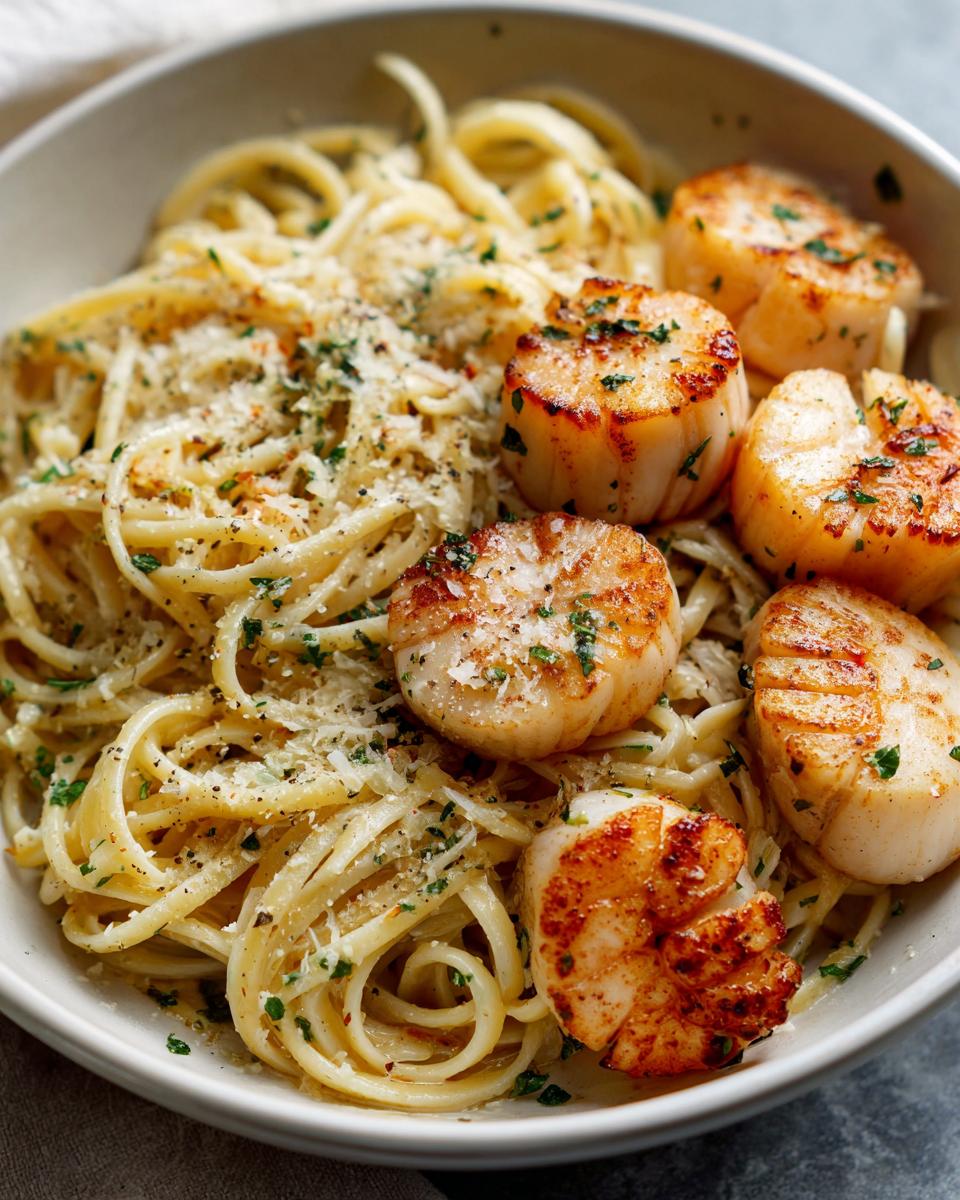
Even though this seafood pasta comes together so fast, a couple of little chef secrets can push it over the edge from “really good” to “I’m putting this on my special occasion rotation.” It’s all about those easy details that make a huge difference between a decent weeknight meal and a showstopper. If you are aiming for that authentic Italian seafood pasta vibe, even with the cream, these tips are for you!
-
Choosing and Preparing Your Seafood
I know freezing seafood is convenient, and it certainly works if you’re in a pinch. If you use frozen shrimp or scallops, you absolutely *must* thaw them gently—usually overnight in the fridge. The absolute critical step, though, is drying them thoroughly before they hit the hot pan. Use paper towels and pat them down until they feel almost dry to the touch. Any excess moisture will instantly turn your nice butter/oil mixture into watery steam, and you’ll end up stewing your seafood instead of getting that lovely, golden sear. A dry ingredient sears; a wet ingredient wilts—we want sear!
-
Achieving the Perfect Sauce Consistency
That little cup of pasta water we saved? That’s liquid gold. It’s the secret weapon for turning a potentially thick sauce into a glossy, clinging masterpiece. When you toss the pasta with the sauce in the pan (Step 8), the sauce can sometimes look a bit tight or pasty from the Parmesan melting in. Don’t panic! Add that starchy water, a splash at a time, while you toss vigorously. The starch in the water emulsifies with the fat in the butter and cream, creating this beautiful, velvety finish that coats every strand of your seafood pasta perfectly. It’s the difference between sticky noodles and a luxurious drape of sauce.
Variations for Your Seafood Pasta
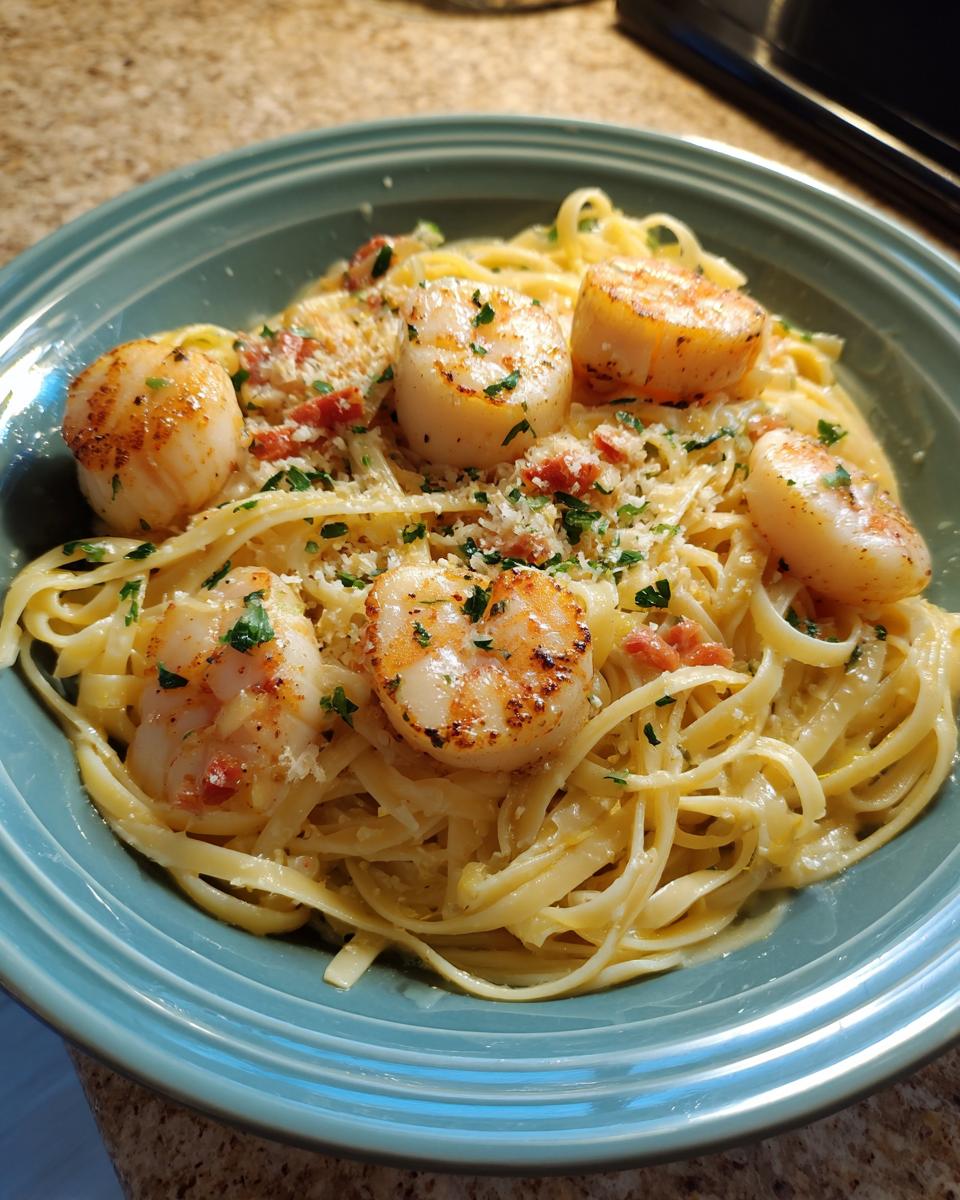
I love that this recipe is sturdy enough to handle a little friendly customization. While I think the garlic butter and white wine give us that *restaurant style seafood pasta at home* perfection, I totally get that sometimes you crave something different. Maybe you’re feeling spicy, or maybe you want to lean into a more traditional, less creamy Italian profile. You don’t have to start from scratch; we can just take this base and riff on it!
Here are a couple of ways I’ve played around with this recipe when I want a different vibe:
-
Spice it Up with a Cajun Kick
If you’ve ever searched for Cajun seafood pasta, you know it brings the heat! To switch this recipe over, you simply up the red pepper flakes to a full teaspoon—or more if you dare—and add about one to two teaspoons of Creole or Cajun seasoning when you add the garlic. You might want to dial back the salt just a hair since Cajun seasoning is loaded with flavor. It transforms this dish into something fiery and exciting, perfect for when you need an indulgent seafood pasta with a serious punch!
-
Lean into a Lighter, Tomato-Based Sauce
For those days when you want a lighter, more traditional Italian feel, ditch the heavy cream. When you finish deglazing the pan with the white wine (Step 4), instead of adding cream, add about a cup of good quality crushed tomatoes. Let that simmer down for about 5 minutes until it thickens slightly. Then, proceed with the Parmesan and pasta water. This gives you a beautiful, slightly tangy seafood pasta tomato based sauce that lets the shrimp and scallops really shine through. It’s still quick, but it feels completely different!
-
Making It a Comforting Pasta Bake
Sometimes you just need bubbly cheese, right? If you want to turn this into a seafood pasta bake comforting version, it’s simple! After tossing everything together in Step 8 but *before* adding the parsley, transfer the saucy pasta and seafood to a greased 9×13 baking dish. Top generously with mozzarella and a little extra Parmesan. Pop it in a 400° F oven for about 12-15 minutes, just until the top is golden brown and bubbly. Be careful not to overbake, or the seafood will get tough!
Serving Suggestions for Your Shrimp Pasta Recipes
When you serve up a plate of this rich, decadent seafood pasta, you need sides that balance that heavy cream and buttery garlic goodness. You don’t want another heavy dish sitting next to it, right? The goal here is contrast—something bright, something acidic, or something green to cut through all that glorious richness. Think of the side dish as the perfect supporting actor to your main star, the shrimp and scallops!
I always gravitate towards simple salads. No need for heavy dressings here; we want clean, fresh flavors. Honestly, if I get to keep the main course this indulgent, the sides should be super straightforward so I can hang out and enjoy the company instead of spending an hour chopping!
Here are my top picks to round out your amazing meal:
- A Simple Lemon Vinaigrette Salad: Forget ranch! Toss some mixed greens—maybe some peppery arugula—with thinly sliced red onion, maybe a few toasted pine nuts if you have them. The dressing is what matters: just fresh lemon juice, good olive oil, a tiny pinch of salt, and maybe a whisper of Dijon mustard. The acidity of that lemon is the perfect counterpoint to the garlic and cream. If you need a full blueprint, I wrote down my favorite version in my authentic no-lettuce Greek salad recipe walkthrough—it’s fantastic even without the feta and olives!
- Garlicky Roasted Asparagus: This is simple and beautiful. Toss asparagus spears with a drizzle of olive oil, salt, pepper, and a few shakes of garlic powder. Roast them at about 400° F until they are tender-crisp. I love how the slight char on the asparagus complements the seared seafood texture in the shrimp pasta recipes.
- Crusty Garlic Bread (The Obvious Choice): Look, sometimes you just need to sop up every last drop of that incredible white wine sauce. There is no shame in that! Buy a good quality loaf of Italian bread, slice it, spread it with butter mixed with garlic powder and a little dried Italian seasoning, and bake it until it’s golden. It’s an absolute necessity for a proper *restaurant style seafood pasta at home* experience.
Storage and Reheating Creamy Seafood Pasta
Okay, let’s talk leftovers, because I know you’ll make too much because this creamy seafood pasta is *that* good. The tough truth about rich sauces like this one—the ones loaded with butter, wine, and cream—is that they don’t always play nicely when you try to reheat them the next day. They can sometimes break or look a little oily or grainy when they get hot again.
But don’t throw out that extra serving! We can definitely bring this back to life so it still feels like a special meal, not a sad desk lunch. The key here is moisture management.
Storing Your Leftover Seafood Pasta
First, you need to store it properly. Make sure you chill the leftovers quickly. Put them in an airtight container—glass containers are great because they heat evenly—and pop them in the fridge within two hours of serving. The pasta and the sauce tend to absorb each other as they chill, which can make it look really stiff the next morning. That’s normal! Don’t worry about the seafood; it’s already cooked, so it’s fine, but try to keep the sauce and pasta together in the container.
Reviving the Creamy Texture When Reheating
When it’s time to eat it again, resist the urge to blast it in the microwave for three minutes straight. That just guarantees you get dry spots and rubbery seafood. Instead, you’re going to need a splash of liquid. I always use either whole milk or, even better, a splash of heavy cream if I have any left. Place your leftover portion in a skillet over medium-low heat.
Add about a tablespoon of your chosen liquid. As the mixture warms up slowly, gently stir it constantly. You’ll see that sauce loosen up right before your eyes. The fresh liquid helps re-emulsify the fats and starches that separated when it chilled. Once it’s hot all the way through—and before the seafood starts to steam too much—it’s ready! This gentle stovetop method preserves the silky texture of your creamy seafood pasta much better than the microwave ever could.
If you absolutely must microwave it, put the portion in a bowl and stir in a teaspoon of milk or cream before heating it in 30-second intervals, stirring well between each blast. It won’t be quite as perfect as the skillet method, but it absolutely beats dry pasta!
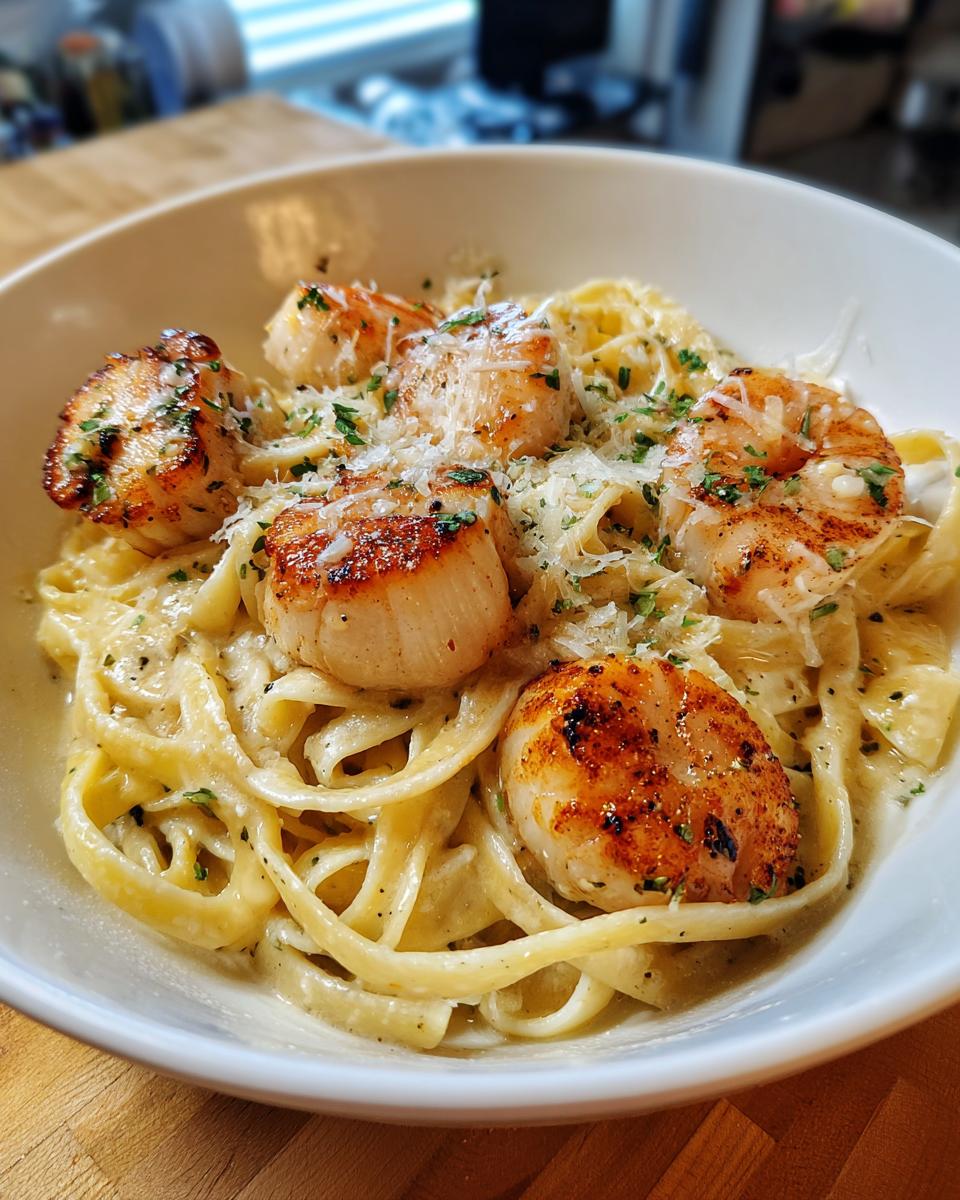
Frequently Asked Questions About Seafood Pasta
I always get questions flooding in after I post a recipe this fancy-but-easy, which just tells me I’m hitting the right nerve! You want to make sure every time you try this seafood pasta dish, it comes out absolutely perfect. Don’t sweat it! Here are the most common things readers ask me when they’re getting ready to dive into this garlic butter sauce.
-
Can I use frozen shrimp in this seafood pasta recipe?
Absolutely, you totally can! Like I mentioned in the tips section, convenience is key for a quick seafood pasta dinner. The key thing you absolutely cannot skip, though, is getting them completely dry afterward. Thaw them fully (overnight in the fridge is safest), then lay them out on a few layers of paper towels and press down hard. If you skip drying, that beautiful sauce will turn watery when the shrimp release all their trapped ice water into the pan. Pat, pat, pat!
-
What is the best pasta shape besides linguine for this sauce?
Linguine is my personal favorite for handling this kind of sauce because it has that perfect little surface area for the creaminess to cling to. But if you are looking for alternatives that work just as well for your linguine with seafood experience, I always suggest Fettuccine or Pappardelle. Both are long and flat, doing a great job catching that garlic butter and white wine reduction. If you prefer smaller shapes, Rigatoni or Penne work because those tubes capture the sauce inside, making sure every bite is loaded with flavor!
-
How do I make this seafood pasta bake comforting?
If you’re craving that seafood pasta bake comforting feel, you only need about five extra minutes! Once you toss the pasta, seafood, and sauce together in Step 8, transfer everything immediately to an oven-safe casserole dish. Top it generously with panko breadcrumbs mixed with a little melted butter and Parmesan cheese. Bake it at 375° F for about 10 to 15 minutes, or until the topping is golden brown and crunchy. That slight bake time just deepens the flavor and gives you that satisfying casserole vibe without making the seafood tough.
Got another question about achieving that perfect creamy seafood pasta? Just drop it in the comments below, and I’ll get back to you! Happy cooking!
Estimated Nutritional Data for This Seafood Pasta
Now, I’m not a nutritionist, and I’m not going to pretend that making one of my favorite date-night dinners—a truly indulgent seafood pasta loaded with cream, butter, and Parmesan—is exactly a low-cal affair. Ethan Carter is about flavor first, my friends! But I know that sometimes you just want a general idea of what you’re putting on the plate.
These numbers below are my best estimates based on the standard ingredients listed for four servings. If you swap heavy cream for half-and-half, or use far less cheese, those figures definitely change! Think of this as a general guideline rather than a strict diet plan. After all, enjoying food is what this whole diary is about, right?
- Serving Size: 1 serving
- Calories: Approximately 650
- Fat: Around 25g (This is where the butter and cream live, soaking up that flavor!)
- Carbohydrates: About 65g (Mostly from the linguine)
- Protein: Roughly 45g (Thanks to that beautiful shrimp and scallop payload)
- Sodium: Approximately 550mg (This can vary wildly depending on how salty your pasta water and Parmesan are, so taste first!)
If you’re looking for lighter options, remember the variations section—skipping the heavy cream entirely makes a massive difference on the fat content while still giving you that bright flavor from the wine, garlic, and seafood mixture. Enjoy this rich meal knowing you cooked it yourself, and that’s always the best ingredient!
PrintGarlic Butter White Wine Seafood Pasta with Shrimp and Scallops
Make this restaurant-style seafood pasta at home. This recipe features shrimp and scallops in a rich garlic butter and white wine sauce, perfect for a quick, elegant weeknight dinner.
- Prep Time: 15 min
- Cook Time: 18 min
- Total Time: 33 min
- Yield: 4 servings 1x
- Category: Dinner
- Method: Stovetop
- Cuisine: Italian Inspired
- Diet: Low Fat
Ingredients
- 1 pound linguine pasta
- 1 pound raw shrimp, peeled and deveined
- 1/2 pound sea scallops
- 4 tablespoons unsalted butter
- 2 tablespoons olive oil
- 4 cloves garlic, minced
- 1/2 cup dry white wine (like Pinot Grigio)
- 1 cup heavy cream
- 1/2 cup grated Parmesan cheese
- 1/4 cup fresh parsley, chopped
- 1/2 teaspoon red pepper flakes (optional)
- Salt and black pepper to taste
Instructions
- Cook the linguine according to package directions until al dente. Reserve 1 cup of the pasta water before draining.
- Season the shrimp and scallops lightly with salt and pepper.
- In a large skillet over medium heat, melt 2 tablespoons of butter with the olive oil. Add the shrimp and scallops and cook for 2-3 minutes per side until pink and opaque. Remove the seafood from the skillet and set aside.
- Add the remaining 2 tablespoons of butter to the same skillet. Add the minced garlic and red pepper flakes (if using) and cook for about 1 minute until fragrant. Do not let the garlic brown.
- Pour in the white wine and let it simmer for 2 minutes, scraping up any browned bits from the bottom of the pan.
- Stir in the heavy cream and bring the sauce to a gentle simmer. Cook for 3-4 minutes until the sauce thickens slightly.
- Reduce the heat to low. Stir in the Parmesan cheese until the sauce is smooth. Season with salt and pepper.
- Add the drained pasta, cooked seafood, and half of the reserved pasta water to the skillet. Toss everything together to coat. Add more pasta water, a splash at a time, until the sauce reaches your desired consistency.
- Stir in the fresh parsley. Serve immediately.
Notes
- For an authentic Italian flavor, use high-quality fresh seafood.
- If you prefer a richer sauce, substitute half the white wine with chicken broth.
- This dish works well with other seafood like mussels or crab meat.
Nutrition
- Serving Size: 1 serving
- Calories: 650
- Sugar: 4
- Sodium: 550
- Fat: 25
- Saturated Fat: 14
- Unsaturated Fat: 11
- Trans Fat: 0
- Carbohydrates: 65
- Fiber: 3
- Protein: 45
- Cholesterol: 320