

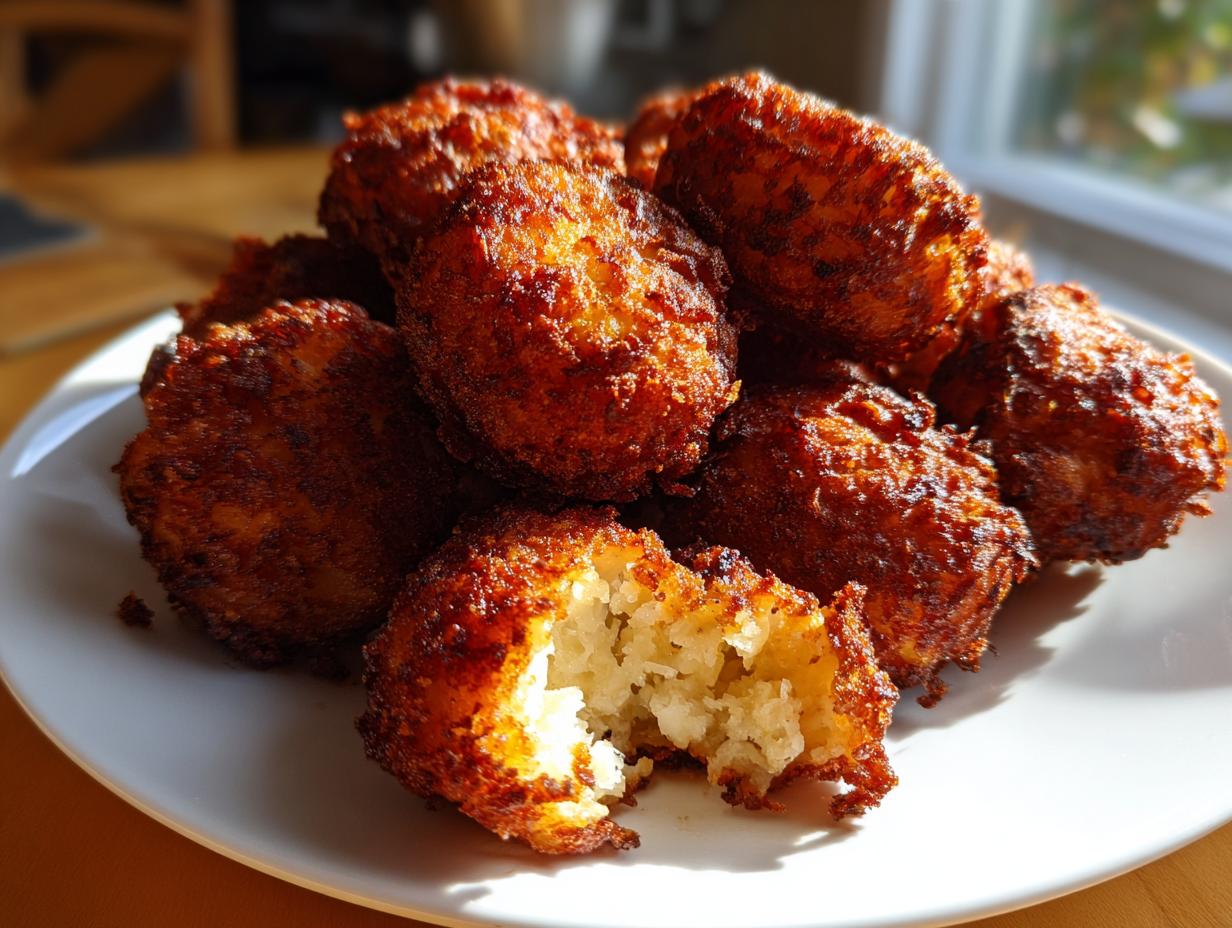
I remember standing in my tiny apartment kitchen, staring forlornly at potatoes that looked more steamed than roasted. It felt like everyone else knew some secret handshake for getting those perfect, shatteringly crisp edges and clouds of fluffy interior, but not me. Well, folks, I finally cracked the code, and I’ve written every painful trial and glorious success into my little kitchen diary. Trust me when I say these roast potatoes are the result of serious dedication to comfort food sides. Forget everything you think you know; this is the foolproof method designed to give you a golden, crunchy, and unbelievably fluffy center every single time. You’re going to want to save this one for every gathering! If you end up needing a different style of roasted potato later on, check out my guide for oven roasted potatoes for a slightly lighter take.
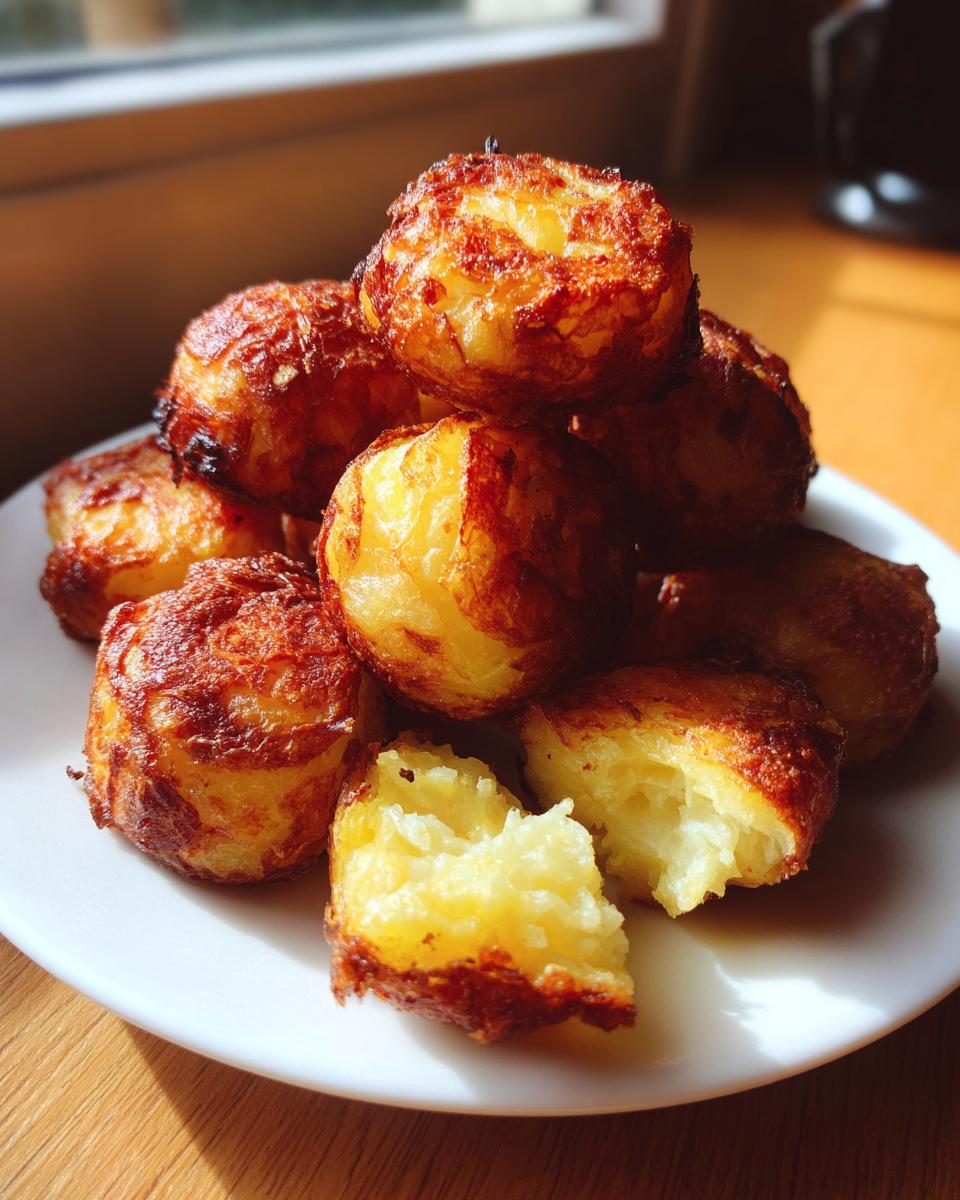
- Why This Is The Best Roast Potatoes Recipe Ever
- Gathering Ingredients for Perfect Roast Potatoes
- How to Prepare Crispy Roast Potatoes Step-by-Step
- Flavor Variations for Your Roast Potatoes
- Tips for Success with Easy Roast Potato Recipe
- Serving Suggestions for This Perfect Side Dish
- Storage and Reheating Instructions for Leftover Roast Potatoes
- Frequently Asked Questions About Roast Potatoes
- Estimated Nutritional Data for Roast Potatoes
Why This Is The Best Roast Potatoes Recipe Ever
I know, everyone calls their recipe the ‘best,’ but honestly, this method for crispy roast potatoes genuinely works where others fail. The reason comes down to science and a little bit of chaos that I’ve learned to embrace. We aren’t just cooking potatoes; we are engineering texture! The goal is always those ultra-fluffy roast potatoes on the inside, protected by an armor of golden crunch.
My years of kitchen notebook scribbling showed me exactly what steps make the biggest difference. Parboiling breaks down the surface starch, the aggressive shaking creates ridges, and going into *screaming* hot fat seals the deal. Seriously, skip these steps, and you’ll end up sad and soggy. If you’re looking for a way to use up leftovers or are just sick of watery veggies, you can check out my recipe for crispy leftover mashed potato cakes, but for the main event, stick with this! A lot of great cooks agree on the physics here; you can see how Serious Eats approaches it too.
Key Secrets for Crunchy Potatoes
- Use Baking Soda While Boiling: Don’t skip this! It makes the water alkaline, which helps the starches on the outside of the potato break down perfectly so they can puff up later.
- Rough Up the Edges: After draining, you have to shake those potatoes vigorously! This creates that rough, starchy coating—that’s the foundation of the crunch you crave.
- Hot Fat Only: Your fat in the roasting pan needs to be ripping hot—shimmering, almost smoking. Dropping the potatoes into cold fat just makes them soak it up instead of sizzling instantly.
Gathering Ingredients for Perfect Roast Potatoes
Okay, so collecting your supplies is the easy part, but I have to stress this: the potato choice really matters here. For that incredible contrast—super crispy outside, fluffy inside—you absolutely need Russet or Yukon Gold potatoes. Those waxy types hold too much water, and we already know how that ends (sadly!).
You need enough high-heat oil or fat to generously coat the bottom of your pan, which is why I listed half a cup. Duck fat is my personal favorite if you can find it; it adds a savory depth that’s just unbeatable for roast potatoes!
Here’s what you’ll need pulled out and ready to go before anything else:
- 3 lbs Russet or Yukon Gold potatoes, peeled and cut into uniform 1.5-inch chunks
- 1/2 cup high-heat cooking fat (like duck fat, beef tallow, or vegetable oil)
- 2 teaspoons coarse salt
- 1 teaspoon black pepper
- 4 cloves garlic, smashed (if you’re making them savory!)
- 3 sprigs fresh rosemary (because rosemary and potatoes are soulmates)
- 1 teaspoon baking soda (this is your secret weapon for the water)
How to Prepare Crispy Roast Potatoes Step-by-Step
Alright, this is where the magic happens. If you follow these steps exactly—and I mean *exactly*—you will conquer the quest for incredible roast potatoes. This process for how to make crispy potatoes is intentionally broken down because skipping one micro-step can ruin the final outcome. Don’t worry; it sounds more complicated than it is. It’s just about being mindful!
Preheating and Fat Preparation
First things first: heat is your friend! We are preheating the oven way up high to 425 degrees Fahrenheit, which is 220 Celsius. While that beast is heating up, grab your large roasting pan. Pour that 1/2 cup of fat—duck fat, oil, whatever you picked—right into the pan. Then, you place the whole thing right into the oven while it preheats. We need that fat to be sizzling hot so the potatoes hit it and instantly start crisping, not slowly steaming.
The Key Boiling and Roughing Up Process for Roast Potatoes
While the fat gets ready, fill a large pot with your cut potatoes. Cover them with cold water, and here’s that little kicker: add that teaspoon of baking soda and a good pinch of salt. Bring that water to a hard, rolling boil. Let them boil for a solid 8 to 10 minutes. You want the edges soft, almost crumbly looking, but the center should still offer a bit of resistance if you poke it with a knife. Drain them completely, and then—this is my favorite part—let them sit in the colander for about five minutes to steam off. Now, place the lid back on the colander and give them a good, solid shake for 30 seconds! That shaking is what creates the lovely, powdery, starchy coating we need for those perfect roast potatoes.
Roasting for Golden Brown Potatoes
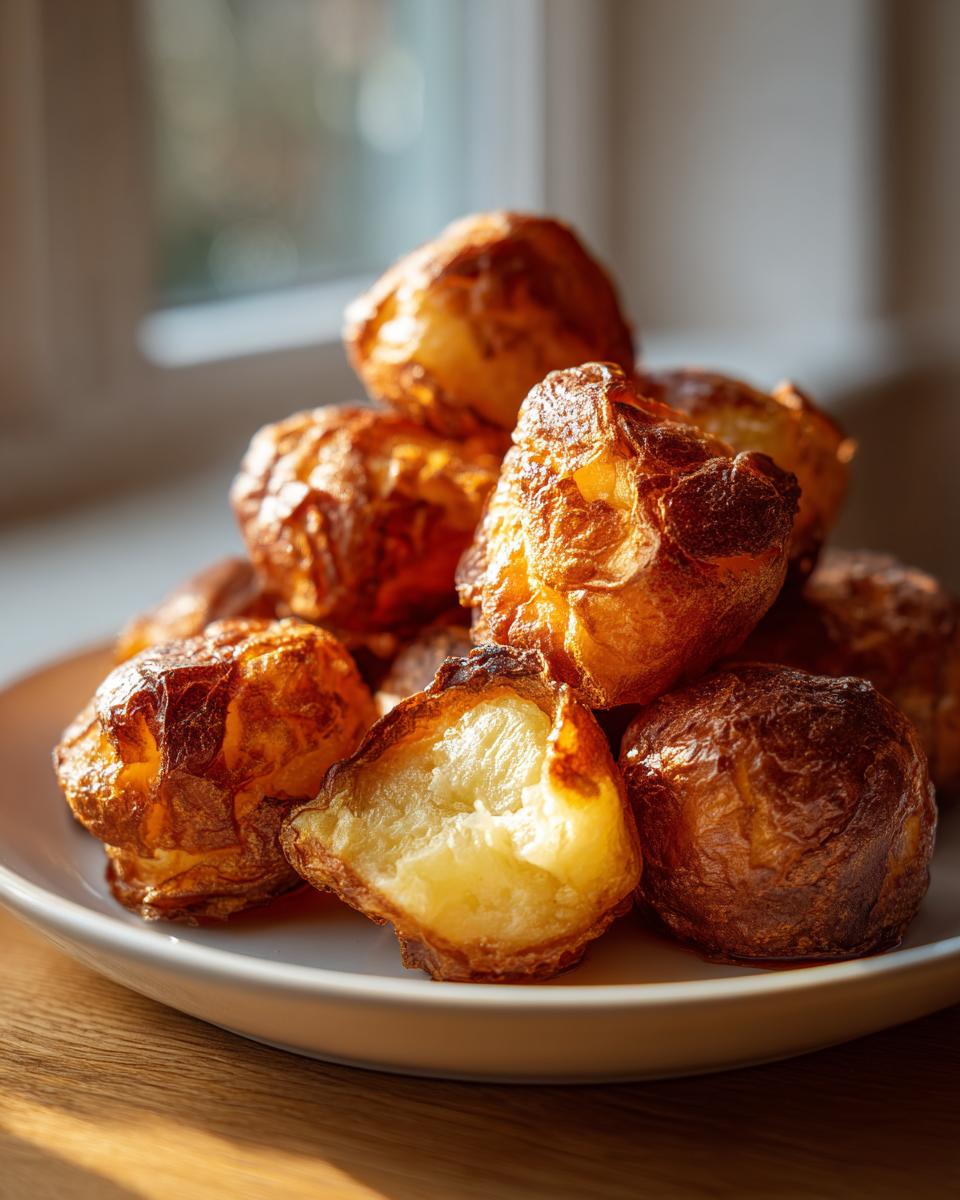
Carefully, and I mean *carefully*, pull that extremely hot pan out of the oven. The fat should be shimmering! Gently drop your roughed-up potatoes in so they sizzle right away. Give them a gentle toss just to coat them, making sure not to crowd them—they need space to breathe and crisp. Pop them back in for about 20 minutes. After that initial roast, pull them out again. If you’re using garlic and rosemary, scatter them in now. Turn the potatoes over just once, then back into the oven for another 20 to 30 minutes. Keep an eye on them until they are deeply golden brown and crackling when you move the pan around!
I found this great tip on how to get that perfect crust from Recipe Artistry that supports checking the texture visually. And if you want more ideas on seasoning and pairing, take a look at my guide on perfectly seasoned roasted vegetables!
Flavor Variations for Your Roast Potatoes
If you’ve mastered the basic technique—congratulations, you’re officially a chip whisperer!—you can start having some real fun with the flavors. My go-to for a cozy weekend is always the classic combo. For amazing rosemary roast potatoes, just make sure those sprigs go in during the second roasting phase, just like the main recipe says. This keeps the rosemary fragrant without burning it to a crisp.
If you love them savory like my family does, the smashed garlic cloves are non-negotiable. They infuse the fat gorgeous flavor, making these some seriously tasty garlic roast potatoes. Now, for the showstopper: parmesan roast potatoes! You want to wait until the very last five minutes of baking for this one. Pull the potatoes out, toss them lightly with freshly grated Parmesan cheese, and pop them back in just until the cheese melts and gets those perfect bubbly brown spots. It adds an amazing salty crust. If you’re looking for other savory flavor enhancers, sometimes I use a little squeeze of lemon juice right before serving, similar to how I finish my honey garlic chicken skewers.
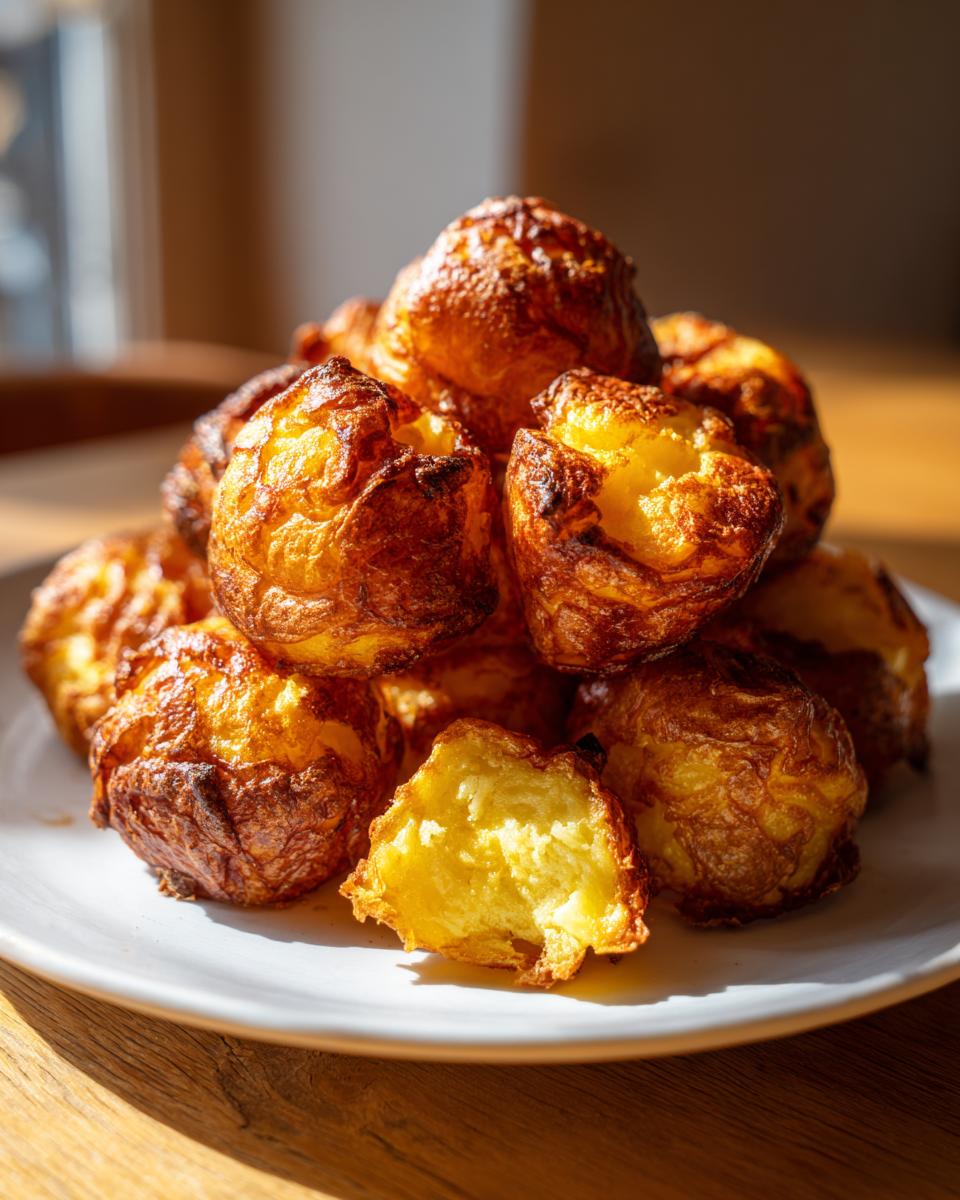
You can get inspiration for adding cheese from great recipes out there, like this one for Parmesan roast potatoes, too!
Tips for Success with Easy Roast Potato Recipe
Listen, even with the best instructions, things can go sideways, right? That’s part of real cooking! I’ve learned a few things about ensuring these remain an easy roast potato recipe instead of a frustrating afternoon project.
The number one reason people get soggy potatoes is overcrowding the pan. Remember when I said the fat needs to be shimmering? If you pile too many potatoes in, they steam each other instead of crisping up against the hot metal. If you have a massive batch, please, use two pans! Trust me, spreading them out radically improves the end result.
Another thing I discovered the hard way: don’t touch them too early! Once they are in the oven after that initial roast, leave them utterly alone for a good 20 minutes before you even think about turning them. Too much prodding releases the heat and prevents that crust from setting.
If you find your potatoes are sticking, it usually means two things: either the fat wasn’t hot enough when they went in, or you didn’t rough up the edges enough during the shake. If you nail those two things, sticking becomes a non-issue. I like to celebrate a successful batch with a fun drink, maybe one of my easy lemon drop martini recipe creations!
Serving Suggestions for This Perfect Side Dish
Now that you have the crispiest, most gloriously textured side dish imaginable, the natural question is: what are we eating these phenomenal potatoes with? Honestly, they are so good, they could probably be eaten with a spoon, but they truly shine next to savory comfort food mains.
These golden beauties are absolute non-negotiables for any major holiday spread. Forget sad, undercooked carrots on the table; these are the holiday roast potatoes that everyone fights over. They soak up gravy like a dream! Seriously, make sure you have plenty of sauce on hand.
For a weeknight win, I love pairing them with anything hearty and roasted. My favorite is when I make my slow-cooked braised dishes, like my braised chicken thighs. The crispy exterior stands up perfectly to the rich, flavorful sauce from the braise, creating a fantastic texture contrast on your plate.
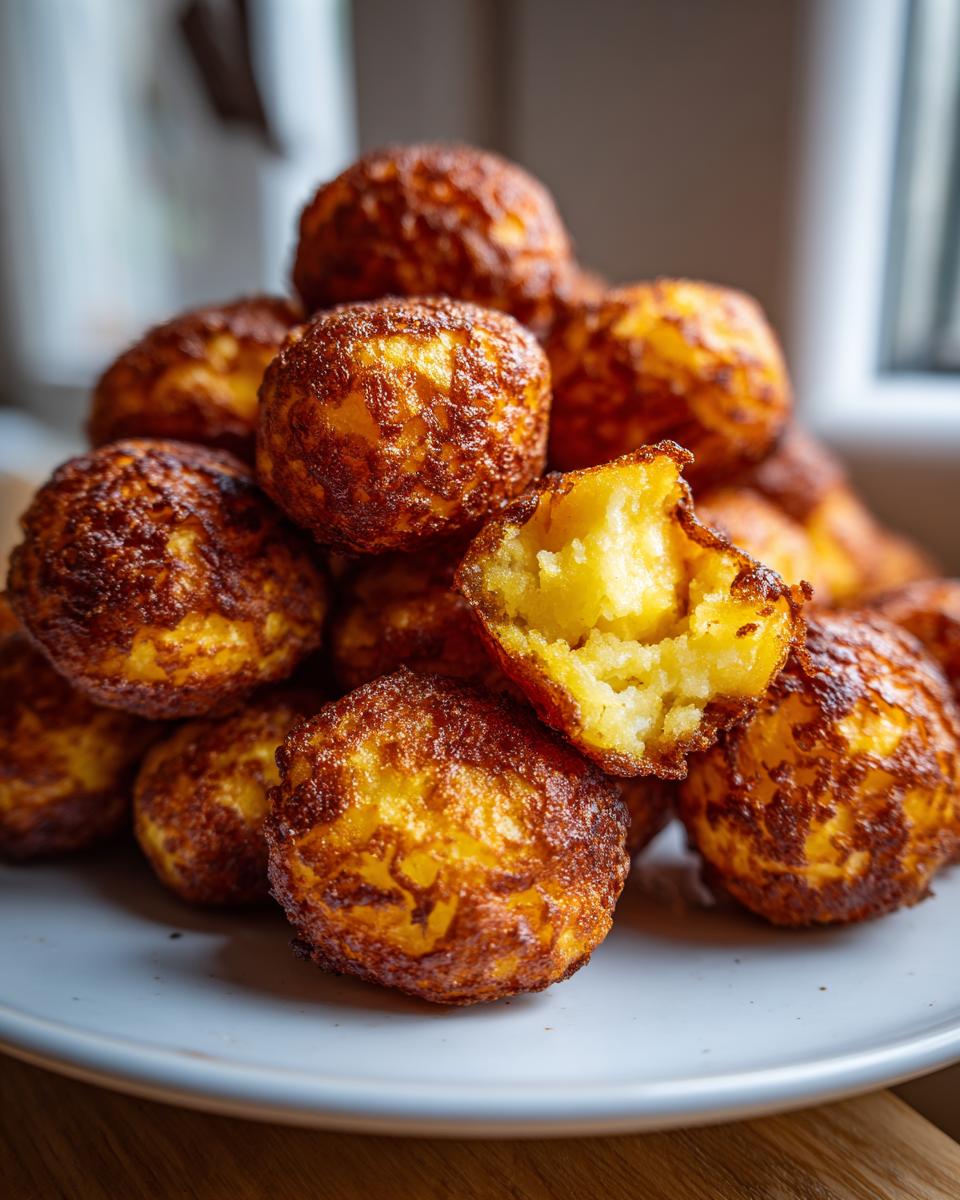
They are also just the ultimate addition to a simple Sunday roast with some seared steak or a perfectly cooked pork tenderloin. They are versatile, they are satisfying, and they always steal the show as the perfect side dish. Don’t overthink it; just make sure your main dish has strong, savory flavors to match the richness of the potatoes!
Storage and Reheating Instructions for Leftover Roast Potatoes
The unbelievable thing about these potatoes is that they are still good the next day, provided you store them right! I know we all love that fresh-out-of-the-oven crunch, but don’t toss those leftovers just because they’ve cooled down. The key to keeping them delicious is managing moisture, which is the enemy of crispiness, even in storage.
When you’re done eating, let the potatoes cool completely on a plate for about an hour before you put them away. If you seal them while they are still warm, all that leftover heat turns into condensation, and bam! Soggy potatoes for lunch tomorrow. Once fully cooled, transfer them into an airtight container. They’ll keep well in the fridge for three to four days, but honestly, they rarely last that long in my house.
Reheating is where you bring back the glory. You absolutely must avoid the microwave. I know it’s fast, but the microwave turns everything soft—it’s the opposite of what we worked so hard to achieve! The best way to revive them is back in a hot oven or, even better, in the air fryer. I often use my air fryer for reheating smaller batches, which is super fast—kind of like how I prep frozen items using my air fryer frozen shrimp technique. Set your oven to about 400 degrees Fahrenheit, toss them with a tiny drizzle of fresh oil on a baking sheet, and roast for about 8 to 10 minutes. They crisp right back up, I promise!
Frequently Asked Questions About Roast Potatoes
I get so many emails and comments asking for clarification on a few points, which totally makes sense! Cooking potatoes involves a little bit of chemistry, and getting that perfect texture can feel tricky, but once you know the ‘why,’ it’s easy. Here are the things I hear asked most often about achieving those crunchy potatoes!
Can I use sweet potatoes instead of Russets for these roast potatoes?
Oh, I love sweet potatoes, but for this specific method, I highly recommend sticking to Russets or Yukon Golds. Sweet potatoes have a much higher sugar content and naturally lower starch levels than Russets. If you boil and shake them the way we do here, they tend to turn into mush much faster because they don’t have that starchy structure to hold onto the rough external coating. If you must use them, cut them slightly larger, boil them for only about 5 minutes, and skip the heavy shaking step. You will still get a delicious roasted vegetable, but it won’t have that signature shatteringly crisp texture we are aiming for with these roast potatoes.
What fat is best for the crispiest roast potatoes?
This is a big one! If you want the absolute best, most outrageously flavorful crispy roast potatoes—the kind that taste like they came from a fancy restaurant—then you absolutely need animal fat with a high smoke point. Duck fat is my champion; it lends a richness that is just unbeatable. Beef tallow is a very close second. However, don’t stress if you can’t find those! A neutral, high-heat vegetable oil, like refined avocado oil or even standard canola oil, works perfectly fine. The technique with the baking soda and the roughing up is more important than the fat, but the right fat definitely tips the scales in your favor for that golden brown potatoes finish.
If you have questions about the recipe, whether it’s about timings or substitutions, feel free to reach out via my contact page at Little Kitchen Diary Contact!
Estimated Nutritional Data for Roast Potatoes
When I’m tracking things, I always add notes about what’s going into the recipe, but honestly, once you use duck fat, the numbers jump around! But since you asked, here’s what I estimate for a standard serving size, keeping in mind that this doesn’t account for any extra Parmesan cheese you might toss on at the end. This is based on the main recipe card measurements, dividing evenly among six servings.
- Serving Size: 1 serving
- Calories: 350
- Fat: 20g
- Saturated Fat: 5g
- Carbohydrates: 40g
- Protein: 5g
- Sodium: 600mg
Just a quick heads-up, though! Since we are using hefty amounts of fat (which is what makes them so wonderfully delicious and crunchy), the fat content is higher, obviously. Also, please remember these are just my best guesses based on standard averages. If you swap out vegetable oil for tallow or duck fat, or if you add herbs, the final nutritional snapshot will shift a little bit. Think of this as a general guide for your comfort food sides!
PrintThe Ultimate Crispy Roast Potatoes: Foolproof Method for Golden Crunch and Fluffy Centers

Learn the simple technique to make roast potatoes with a perfectly crisp, golden exterior and a light, fluffy interior every time you cook. This recipe focuses on guaranteed crunch for your perfect side dish.
- Prep Time: 15 min
- Cook Time: 50 min
- Total Time: 65 min
- Yield: 6 servings 1x
- Category: Side Dish
- Method: Roasting
- Cuisine: American
- Diet: Vegetarian
Ingredients
- 3 lbs Russet or Yukon Gold potatoes, peeled and cut into uniform 1.5-inch chunks
- 1/2 cup high-heat cooking fat (like duck fat, beef tallow, or vegetable oil)
- 2 teaspoons coarse salt
- 1 teaspoon black pepper
- 4 cloves garlic, smashed (optional)
- 3 sprigs fresh rosemary (optional)
- 1 teaspoon baking soda (for the water)
Instructions
- Preheat your oven to 425 degrees Fahrenheit (220 degrees Celsius). Place your chosen fat into a large roasting pan and put the pan in the oven while it preheats.
- Place the cut potatoes into a large pot and cover them with cold water. Add the baking soda and 1 teaspoon of salt to the water. Bring the water to a rolling boil over high heat.
- Boil the potatoes for 8 to 10 minutes. You want the edges to start looking soft and slightly broken down, but the centers should still be firm. This step is key for crispiness.
- Carefully drain the potatoes completely in a colander. Let them sit for 5 minutes to allow excess steam to escape.
- Gently shake the colander for about 30 seconds. This roughs up the edges of the potatoes, creating more surface area for crisping.
- Carefully remove the hot roasting pan from the oven. The fat should be shimmering hot. Gently place the roughed-up potatoes into the hot fat, turning them to coat. Do not overcrowd the pan; work in batches if necessary.
- Return the pan to the oven and roast for 20 minutes.
- Remove the pan. If using, add the smashed garlic cloves and rosemary sprigs around the potatoes. Gently turn the potatoes once.
- Return the pan to the oven and roast for another 20 to 30 minutes, or until the potatoes are deep golden brown and extremely crunchy.
- Remove from the oven, sprinkle with the remaining coarse salt and pepper, and serve immediately as your perfect side dish.
Notes
- Using baking soda in the boiling water helps break down the starches on the surface, which leads to maximum crunch when roasting.
- Do not skip the shaking step; creating that starchy ‘slurry’ on the outside is the secret to fluffy insides and crispy outsides.
- Ensure your fat is hot before adding the potatoes; this stops them from sticking and starts the crisping process immediately.
Nutrition
- Serving Size: 1 serving
- Calories: 350
- Sugar: 1
- Sodium: 600
- Fat: 20
- Saturated Fat: 5
- Unsaturated Fat: 15
- Trans Fat: 0
- Carbohydrates: 40
- Fiber: 4
- Protein: 5
- Cholesterol: 0