

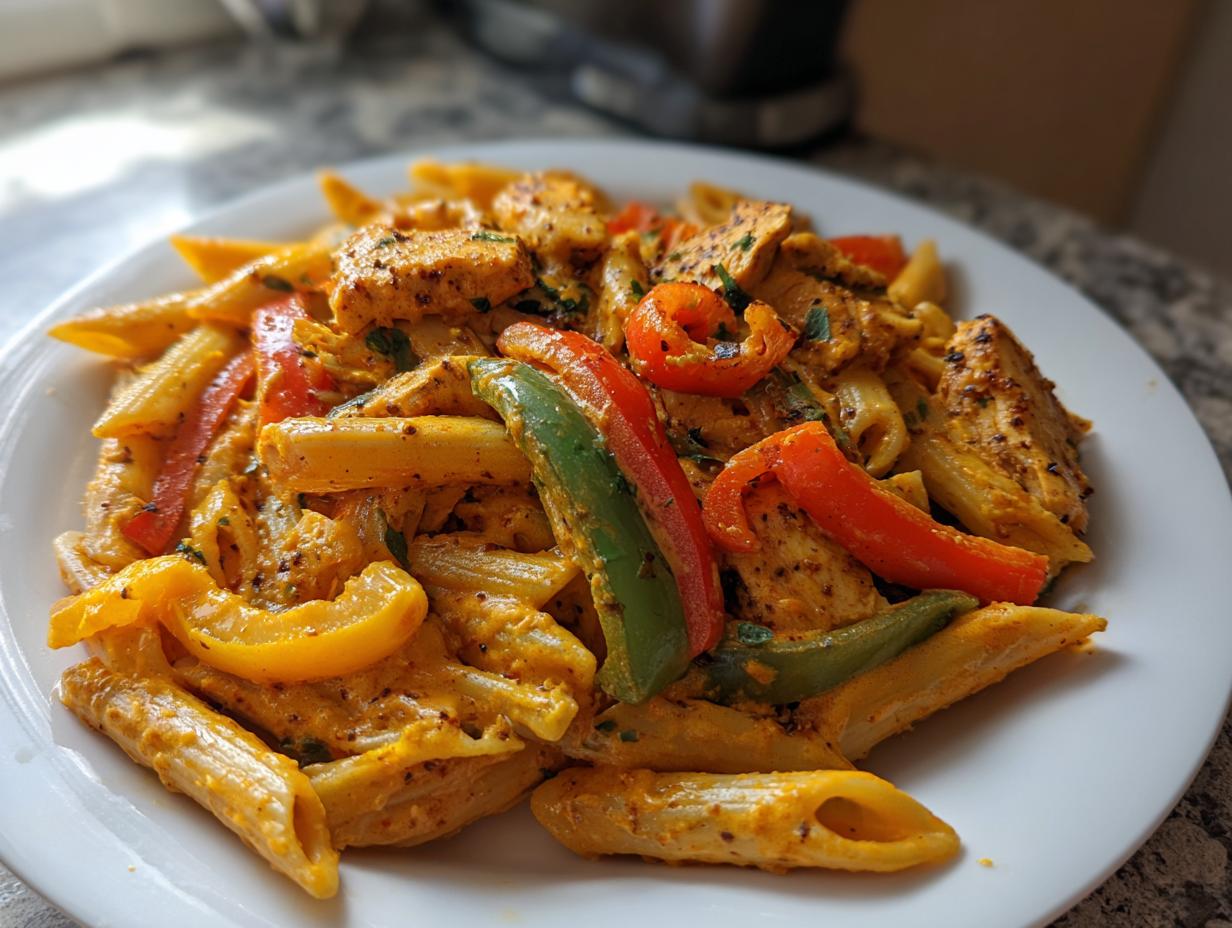
Look, some weeknights, you just need a flavor bomb to wake up your taste buds, right? When dinner feels boring, I reach for this Creamy Jamaican Rasta Pasta with Jerk Chicken. It’s everything I love about comfort food fusion—creamy, spicy, and incredibly fast to make. This recipe uses simple steps but delivers the kind of vibrant, bold profile that usually requires a whole afternoon. If you’re like me—wanting real connection around the table but running short on time—this dish is your new weeknight hero. It’s proof that amazing, memorable meals don’t need to take all day. You can find out more about how we find inspiration for these kinds of recipes right here on our site.
- Why This Creamy Rasta Pasta Recipe Belongs in Your Kitchen Diary
- Gathering Ingredients for Authentic Rasta Pasta Flavor
- Step-by-Step Instructions for Perfect Rasta Pasta
- Expert Tips for Next-Level Rasta Pasta
- Serving Suggestions for Island Flavor Dinner
- Storage and Reheating Instructions
- Frequently Asked Questions About Jamaican Pasta Recipe
- Nutritional Estimate for Your Comfort Food Fusion
- Share Your Rasta Pasta Creations
Why This Creamy Rasta Pasta Recipe Belongs in Your Kitchen Diary
Honestly, I developed this recipe because I was craving something vibrant without having to pull out a million pots and pans on a Tuesday. This Rasta Pasta brings that true island flavor right to your cutting board, and it’s deceptively simple. It’s designed for the real-life schedule, which is exactly what Little Kitchen Diary is all about.
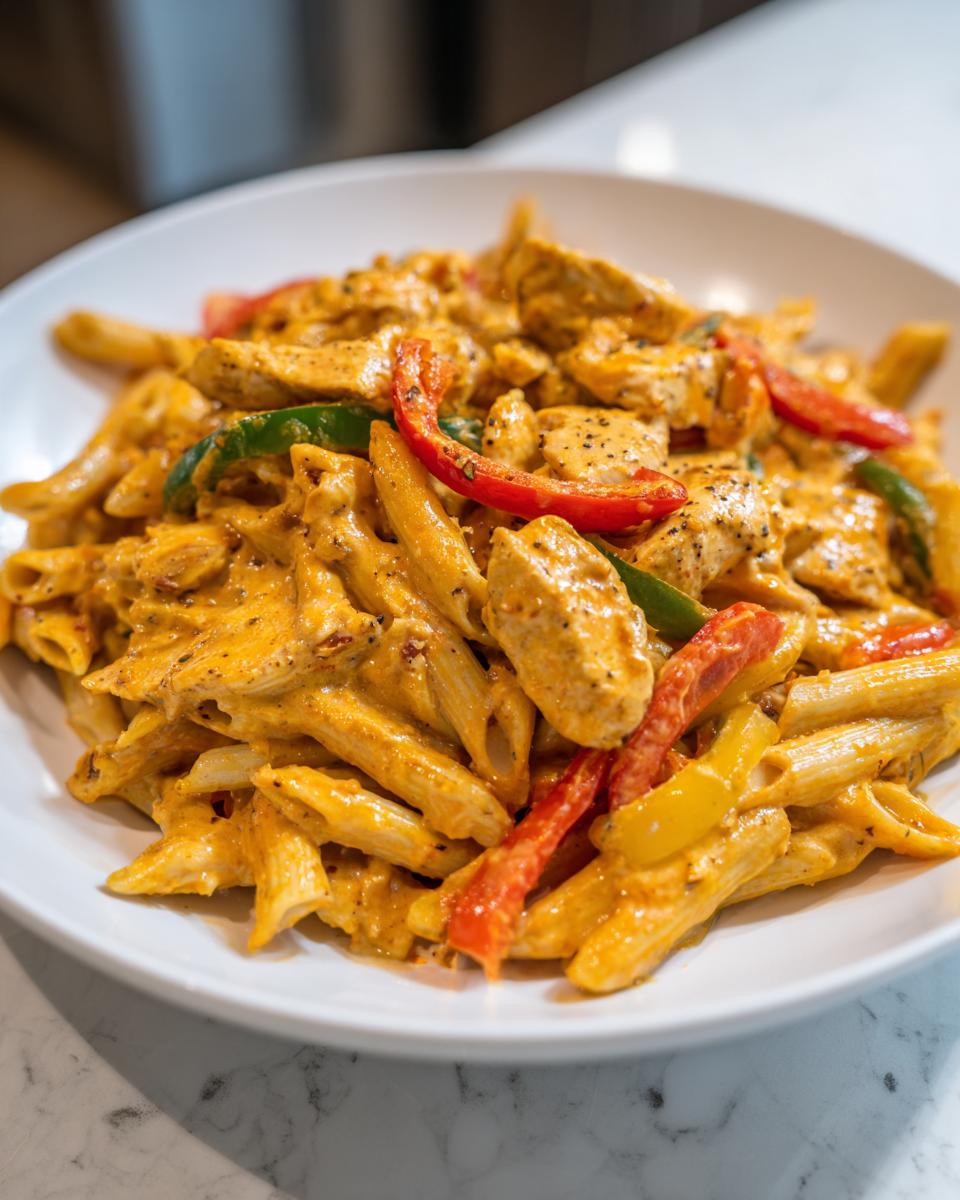
- It’s a genuine Weeknight Caribbean Meal. I mean it—from seasoning the chicken to serving, we’re looking at 40 minutes max. That’s huge when you’re hungry but don’t want to compromise on flavor.
- You get real Bold Flavor Pasta without needing hours of marinading. That store-bought jerk seasoning (which is perfectly fine, by the way!) does most of the heavy lifting for you.
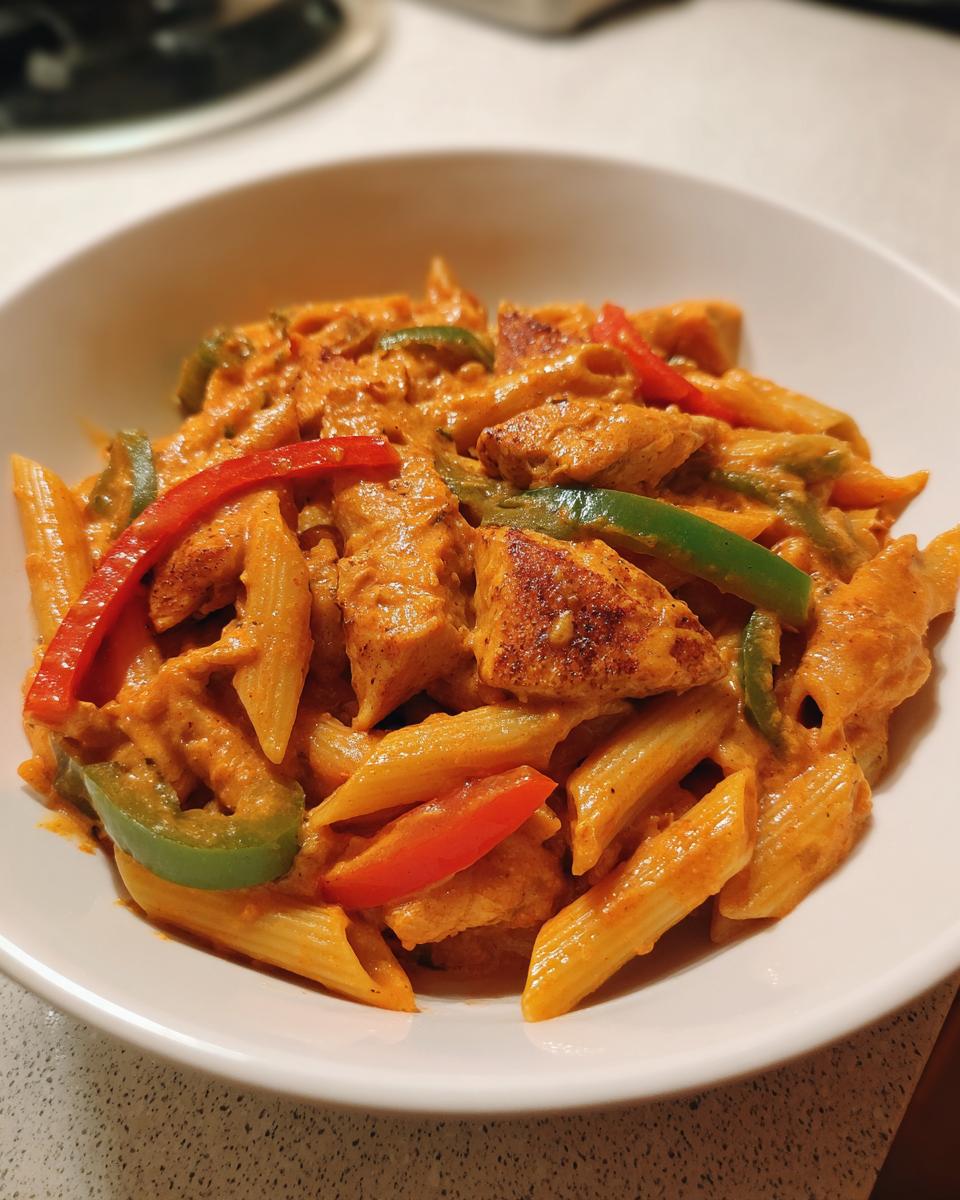
- The color! It’s ridiculously vibrant because we pile in the red, green, and yellow bell peppers. It looks like you spent all day cooking, but you didn’t.
- The sauce is the perfect fusion. We nail that creamy texture, whether you use heavy cream or opt for a dairy-free version using coconut milk—it’s rich, coating every noodle beautifully.
- It’s unbelievably adaptable. If you need to throw in shrimp or skip the meat entirely, this sauce base handles any protein swap you throw at it like a champ.
This is comfort food that truly surprises you with its zest. Forget bland weeknight staples; this is the dish that makes you look forward to dinner again.
Gathering Ingredients for Authentic Rasta Pasta Flavor
Okay, so the magic of this dish—the reason it shines as a truly Creamy Caribbean Pasta—comes down to using quality components. Don’t stress about finding obscure things; everything here is easy to grab at your regular supermarket. I’ve listed everything out below so you can shop smart. When you bring these ingredients home, they transform into that amazing Rasta Pasta profile you are craving! You’ll notice I listed heavy cream, but if you’re skipping dairy or just want that subtle sweetness that screams ‘Island Flavor,’ full-fat coconut milk works like a dream here.
Chicken and Spice Prep
For the meat, grab one pound of boneless, skinless chicken breast. You need to cut this up into nice bite-sized pieces so everything cooks evenly and mixes perfectly with the pasta shells later on. Once it’s cubed up, we’re going in heavy with the jerk seasoning. I use about two tablespoons, but listen to your own spice tolerance! You want that chicken absolutely coated in the spice blend; don’t be shy. That seasoning is packed with all the warmth and fire you need for this dinner.
Vegetables and Sauce Base
This is where the ‘colorful’ part of the dish comes from. Grab one onion, chopped, and seriously, try to get all three colors of bell pepper—one red, one green, and one yellow—sliced up thin. Those colors aren’t just for looks; they give you different levels of sweetness when they cook down. We’ll also need garlic for that aromatic punch, chicken broth, your cream or coconut milk, and a little bit of Parmesan if you’re going for the cheesy route. Also, make sure you have your pasta cooked and ready, but don’t forget the most critical move: setting aside at least one cup of that starchy pasta water before you drain it! That water is liquid gold for smoothing out the sauce later.
- 1 pound pasta (penne or rotini recommended)
- 1 pound boneless, skinless chicken breast, cut into bite-sized pieces
- 2 tablespoons jerk seasoning (store-bought or homemade)
- 1 tablespoon olive oil
- 1 medium onion, chopped
- 1 red bell pepper, sliced
- 1 green bell pepper, sliced
- 1 yellow bell pepper, sliced
- 2 cloves garlic, minced
- 1 cup chicken broth
- 1 cup heavy cream or full-fat coconut milk for dairy-free option
- 1/2 cup grated Parmesan cheese (optional)
- 1 teaspoon dried thyme
- 1/2 teaspoon salt
- 1/4 teaspoon black pepper
- Fresh parsley, chopped, for garnish
Step-by-Step Instructions for Perfect Rasta Pasta
We’re moving fast now! The beauty of this dish is that while the pasta is cooking, you’re building the incredible sauce in a separate pan. This is how we keep things efficient and get this amazing Rasta Pasta on the table quickly. Just follow these steps, and trust me, we’ll nail that creamy, spicy texture every time.
Cooking the Pasta and Chicken
First things first, get that pasta (penne or rotini are my favorites here because they scoop up all the sauce) going in heavily salted water according to the package. You need it *al dente*, so check the box instructions and pull it out a minute early. Before you drain it, scoop out about a cup of that starchy cooking water and keep it close by—seriously, don’t forget this step, it’s your secret weapon! While that’s bubbling away, grab your skillet. Heat that tablespoon of olive oil over medium-high heat.
Now, back to the chicken we seasoned earlier. Toss it into the hot pan. You need to cook this jerk-seasoned chicken until it’s nicely browned and fully cooked through. That usually takes about 5 to 7 minutes, depending on how big the pieces are. Once it’s done, pull that chicken out and set it aside on a clean plate. We’ll bring it back later!
Building the Creamy Caribbean Pasta Sauce
Leave any delicious chicken bits stuck to the bottom of the skillet—that’s flavor gold! Turn the heat down slightly and toss in your chopped onion and all those colorful bell peppers. Sauté them for about five minutes until they start to get tender. You want them soft but still holding their shape for that great texture in your Colorful Vegetable Pasta.
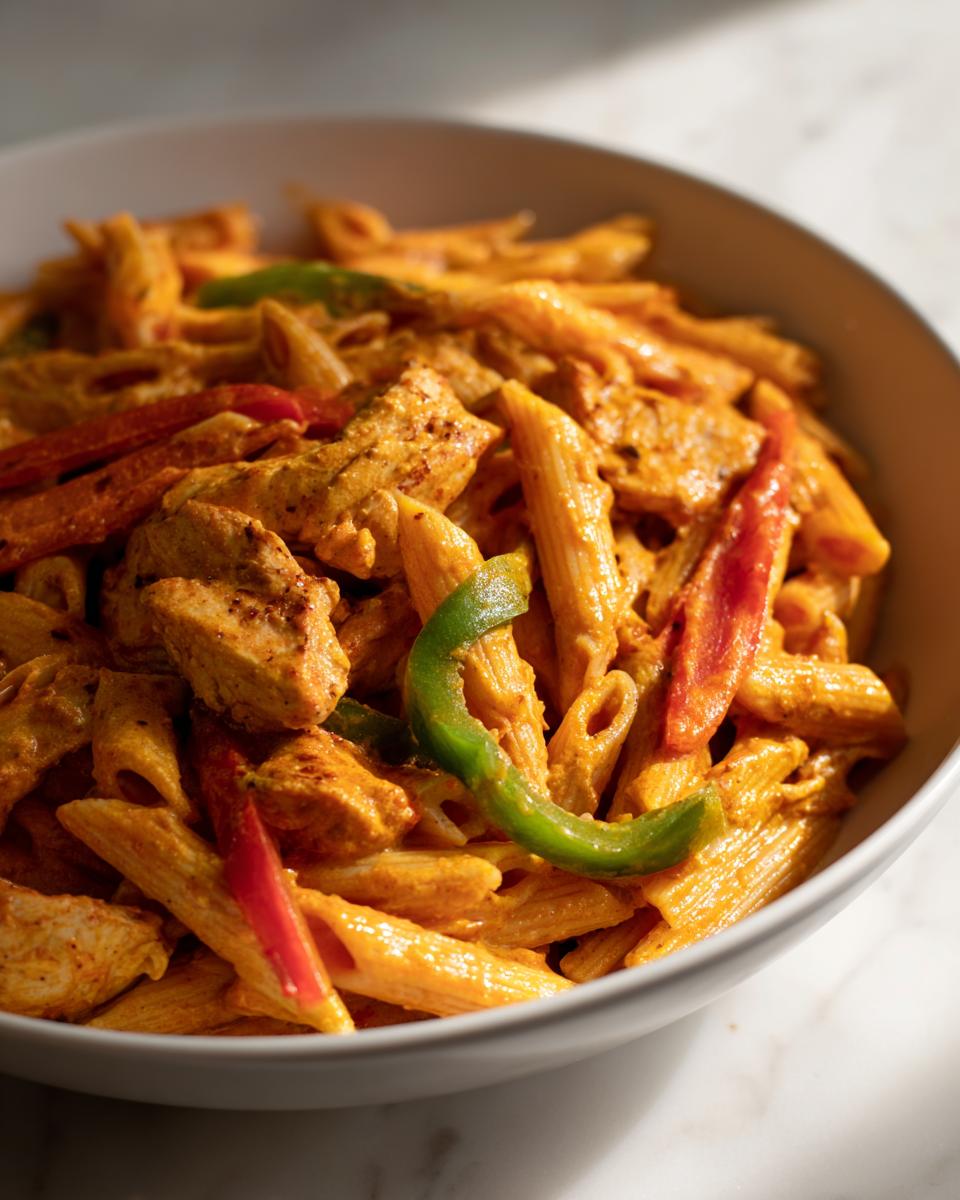
Next, toss in the minced garlic and dried thyme. You only need about 60 seconds here until you can really smell the garlic—be careful not to burn it, or the whole sauce tastes bitter! Pour in the chicken broth. Use a wooden spoon to scrape up any of those stuck-on bits from the bottom; that scrapes off massive amounts of flavor! Let that simmer for about two minutes to reduce slightly.
Now for the creaminess! Reduce the heat to medium-low. Slowly pour in your heavy cream or coconut milk. Add your salt and pepper now. Let this gently warm up—and I mean *gently*. Do not let this sauce boil once the cream is in, or it can get grainy. Keep stirring occasionally until it’s just steaming nicely.
Combining and Finishing the Rasta Pasta
Time to reintroduce the star! Stir that cooked jerk chicken right back into your warm sauce. If you’re using Parmesan, stir it in now until it melts smooth. Next, add your drained pasta directly into the skillet with the sauce.
Toss everything until that pasta is totally coated in the vibrant sauce. If it seems too thick, grab that reserved pasta water! Add it in a splash or two at a time, mixing constantly. That starchy water emulsifies the sauce, making it glossy and helping it cling perfectly to the noodles for the best final texture in your Rasta Pasta. Once you’re happy with the consistency, you’re done! Don’t forget to reach out if you ever have questions about the process; you can always contact me here.
Expert Tips for Next-Level Rasta Pasta
You’ve got the main recipe down, which is fantastic! But being a passionate home cook means always looking for ways to tweak things just for *your* family. I’ve found a few little tricks over the years that take this dish from great to absolutely legendary. These are the little nudges that show off your cooking skills without adding any stress. After all, mastering a Rasta Pasta dish like this is all about knowing how to balance those incredible Caribbean spices with the cool creaminess of the sauce.
Spice Level Control for Your Spicy Pasta Dish
Jerk seasoning varies wildly from brand to brand, right? Some are smoky, some are fiery. If you love heat—and I mean *real* heat—this is where you get to customize your perfect Spicy Pasta Dish. The recipe mentions adding scotch bonnet pepper sauce, and I highly recommend it if you have some on hand. Start small! Add half a teaspoon right when you add the cream or coconut milk. You can always add more pepper later, but you sure as heck can’t take it out!
On the flip side, if your jerk seasoning packet felt a little tame, don’t double up on the dry rub later. Instead, add a tiny pinch of cayenne pepper to the sautéed onions and peppers. It mixes in seamlessly, giving you that background warmth without muddying up the complex flavors of the original jerk rub you already used on the chicken.
Protein Swaps: Shrimp Rasta Pasta Variations
Sometimes chicken just isn’t what you’re in the mood for, and that’s totally fine! This sauce is just as phenomenal with seafood. If you want to pivot to a Shrimp Rasta Pasta variation, the process is super simple, but the timing changes completely. You still season one pound of shrimp with the jerk rub, but you cook them *last* before you serve.
When you’re pulling the vegetables out of the pan, toss the seasoned shrimp in. They cook unbelievably fast—seriously, only two to three minutes per side until they turn pink and curl up. Pull them out immediately and set them aside. Then, proceed with building your sauce base as normal. Add the cooked shrimp back in right at the end, when you add the chicken back in, just to let them warm through in that gorgeous sauce before tossing with the pasta. They don’t need that long simmer time like chicken does!
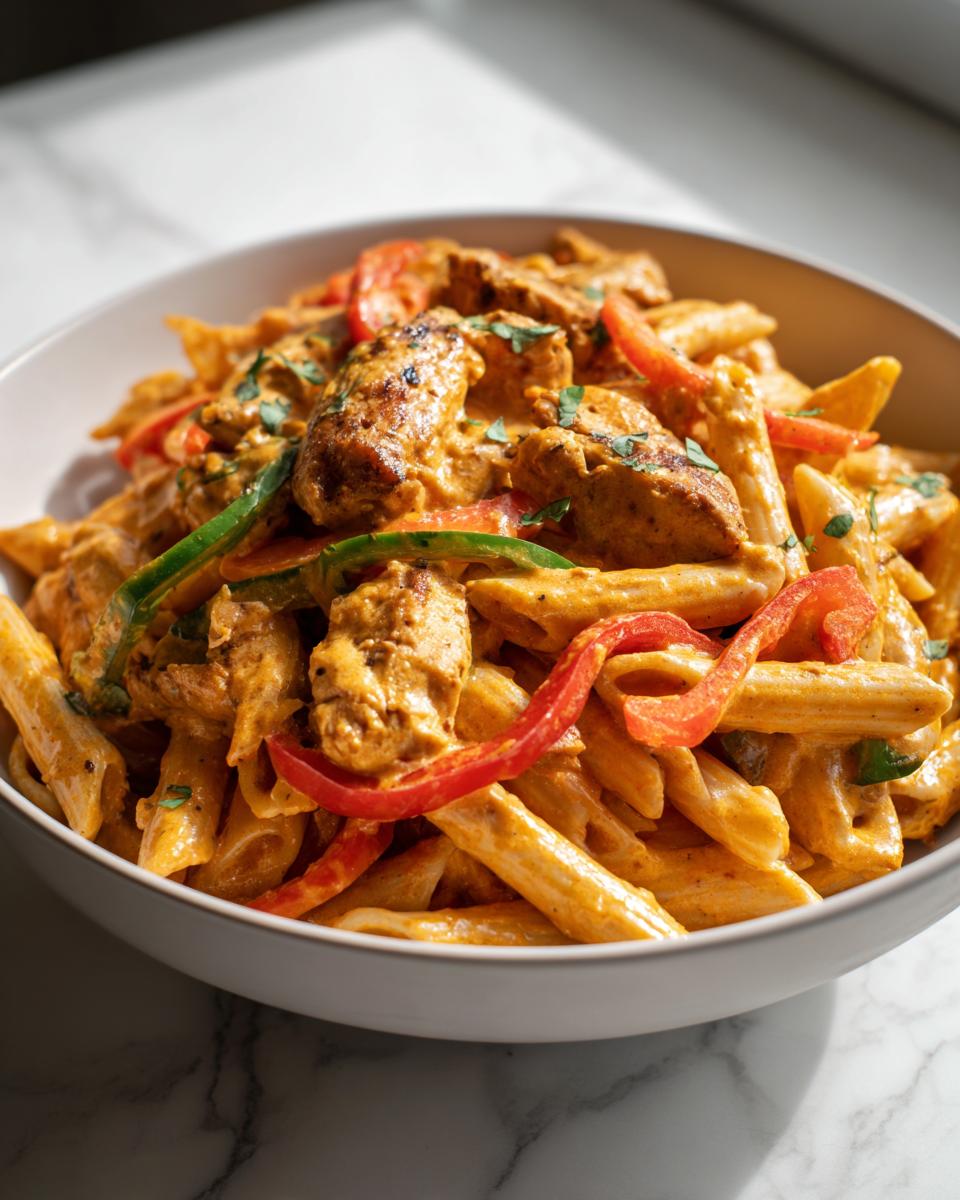
Serving Suggestions for Island Flavor Dinner
This Rasta Pasta is definitely hearty enough to stand on its own—it’s creamy, it’s got protein, it’s packed with veggies. But once in a while, you might want just a little something extra on the side to cut through that richness or scoop up every last bit of that incredible sauce. When you’re aiming for an elevated Island Flavor Dinner, I keep things light and fresh on the side so the pasta remains the absolute star.
Here are a couple of my go-to sides that pair perfectly without overwhelming the bold flavors:
- Simple Garlic Bread: Okay, this isn’t the most exotic choice, but trust me on this one. Grab a crusty loaf, slather it with butter mixed with fresh garlic and maybe a tiny pinch of dried thyme, and toast it up. It’s the perfect vehicle for soaking up any leftover sauce clinging to your plate. You just can’t beat dipping bread into a creamy, spicy pasta sauce!
- Quick Sautéed Greens: Since we have peppers in the main dish, I usually keep the green side dish very clean. Take some collard greens or even baby spinach. Sauté them *very* briefly—like three minutes—with just a quick splash of olive oil and a squeeze of fresh lime juice. The bright acidity from the lime cuts right through the richness of the cream sauce beautifully.
- A Simple, Fresh Salad: If you’re serving this in the summer, don’t complicate dinner! Make a small side salad of sliced cucumbers, sweet cherry tomatoes, and maybe some thinly sliced red onion. Dress it with a very light vinaigrette made from white wine vinegar and a drizzle of oil. It’s cooling, crunchy, and offers a fantastic textural contrast to the creamy pasta.
Remember, the goal here is complementing the heat and spice, not competing with it. Keep the sides simple, fresh, and ready to serve right alongside your main event!
Storage and Reheating Instructions
The wonderful thing about making a big batch of this Rasta Pasta is that the leftovers are honestly just as good the next day! Since it’s flavored with so many strong spices, those island flavors sometimes even deepen overnight. I always love having this ready for a quick lunch the next day. But how you store and reheat it makes a huge difference to keeping that sauce luscious and not separated.
When you finish cooking, let any leftovers cool down completely on the counter before you put them away. Don’t put a hot container straight into the fridge, you know? That’s just asking for trouble. Once cool, transfer the pasta into an airtight container. You should be good in the fridge for about three to four days, easy.
Reheating to Maintain That Creamy Texture
This is the crucial part. When you reheat creamy pasta, especially if you used heavy cream, it tends to seize up and look a little thicker or even slightly oily when it first comes out of the microwave or off the stove. Don’t panic! We have a fix for that, and it’s the same trick we used when cooking it the first time.
You absolutely must add liquid when reheating your leftovers. I prefer to add a splash or two of plain milk or a little bit of chicken broth right into the skillet or bowl before heating. If you used coconut milk in your original batch, using just a bit more coconut milk works wonders.
Gently reheat on the stovetop over low heat, stirring constantly until everything is warm through. You might be surprised how much liquid it soaks up! Keep adding small splashes until you get that original smooth, glossy coating on your Rasta Pasta again. Microwaving works too, but make sure to heat in 30-second bursts, stirring well in between each blast to create an even melt and prevent hot spots.
What to Avoid When Storing
My biggest piece of advice? Don’t try to reheat it with the Parmesan cheese already mixed in, especially if you’re planning on storing it for more than a day. Cheese can sometimes separate or turn slightly grainy when it’s reheated aggressively. If you want that cheesy flavor, try stirring in a fresh sprinkle of Parmesan right after you’ve warmed the sauce and liquid back up. It melts beautifully into the finished dish without compromising the texture of the main sauce!
Frequently Asked Questions About Jamaican Pasta Recipe
When you dive into a new cuisine like this, questions pop up, and I totally get it! I’ve pulled together some common things people ask me when they’re planning to tackle this delicious Jamaican Pasta Recipe for the first time. I want you to feel 100% confident before you even turn on the stove!
Is Rasta Pasta traditionally made with coconut milk?
That’s a brilliant question that gets right to the heart of fusion cooking! If you look at the history, you’ll find that the original inspiration for dishes like this leans heavily on the tropical pantry. Many authentic Island Flavor Dinner concepts rely on coconut milk for richness. While my recipe works beautifully with heavy cream to create that over-the-top melted cheese texture that American palates often crave, using full-fat coconut milk is probably closer to the traditional Caribbean base. It gives the sauce a slightly different, wonderful sweet undertone that complements the jerk spice perfectly.
What pasta shape works best for this dish?
Since you are dealing with a thick, hearty, creamy sauce, you want a pasta shape that grabs onto every bit of that deliciousness. Thin pasta like angel hair or spaghetti just lets the sauce slip right off! For this dish, I always recommend shapes with ridges or tubes. Penne is classic, but rotini—those corkscrews—are fantastic because the sauce gets trapped inside the spirals and also coats the outside surface. Whatever you choose, make sure it’s sturdy enough to hold up against that bold sauce!
What if I don’t have jerk seasoning?
Oh, if you’re stuck and your pantry is bare of the proper seasoning, don’t throw in the towel! Jerk seasoning is a complex mix usually involving allspice, thyme, brown sugar, and a lot of heat. If you can’t run to the store, you can create a quick, rough approximation that will still deliver that Caribbean vibe. Mix together some allspice, thyme, a pinch of cinnamon, black pepper, garlic powder, onion powder, and definitely some chili powder or cayenne. It won’t be *exactly* the same, but it brings the essential warm, earthy notes you need for a great flavor baseline.
Can this Rasta Pasta be made completely vegetarian?
Absolutely! That creamy, colorful vegetable sauce is the star anyway, even before the chicken goes in. To make this a stunning vegetarian meal, just skip the chicken entirely. To add bulk and protein back in, I highly recommend tossing in a can of drained, rinsed chickpeas or even some sautéed mushrooms (cremini or portobello work great) when you add the vegetables in Step 2. You get that satisfying bite without losing any flavor!
If you’re looking into how we handle data privacy while you’re cooking through our site, check out the Privacy Policy here. Happy cooking!
Nutritional Estimate for Your Comfort Food Fusion
So, let’s talk about the fuel factor. We’re making something rich here—a proper Comfort Food Fusion with chicken, cream, and pasta—so we know it’s going to clock in high on the satisfying scale. I always encourage people to remember that I’m a passionate home cook, not a lab technician, so these numbers are my best, honest estimate based on portioning out the recipe for four people using standard ingredients like heavy cream and regular white pasta.
You know this isn’t going to be salad territory, but it’s a fantastic, filling meal that gives you great protein! If you swap to coconut milk or use whole wheat pasta, these numbers will shift, but here is the baseline for the recipe as written, which uses heavy cream and standard pasta:
- Serving Size: 1 serving
- Calories: 650
- Protein: 32g (Hello, chicken!)
- Fat: 35g (This is where the cream comes in, folks!)
- Saturated Fat: 18g
- Carbohydrates: 55g
- Fiber: 4g
- Sugar: 7g (Mostly from the veggies and the jerk seasoning)
- Sodium: 750mg (Jerk seasoning is salty, so measure carefully!)
The high sodium count is mainly due to the jerk rub we use, so if you’re watching your salt intake, try using a low-sodium broth and being mindful of how much salt you add separately. Trust me, this Rasta Pasta tastes amazing, and knowing what’s fueling you up is just part of being a smart cook!
Share Your Rasta Pasta Creations
Wow, we made it! I hope you’re standing over a skillet right now smelling those amazing Caribbean spices. Seriously, I want to hear all about it! That’s the whole point of this little diary—sharing the joy of cooking real food when life gets hectic.
If you tried this Easy Pasta Recipe and brought that bold island flavor into your kitchen, please let me know how it went! Did you use coconut milk for the authentic vibe? Did you sneak in extra scotch bonnet sauce for a fiery kick? Your feedback helps me and the whole Little Kitchen Diary community learn and grow.
Please jump down into the comments section below. Leave a rating for the recipe if you loved it—five stars if it deserves it!
- Let me know in the comments if you tried the chicken version or went for the shrimp swap!
- If you snapped a picture of your beautiful, colorful final dish, tag us on social media! Seeing your creations is seriously the best part of my week.
- Did you pair it with a side? I’m always looking for great pairings for this rich pasta!
If you want to see some brilliant inspiration from other cooks who love bold flavors, you should definitely check out how other home cooks are tackling pasta dishes like this one over here. Happy cooking, everyone. I’m already looking forward to reading your stories!
PrintCreamy Jamaican Rasta Pasta with Jerk Chicken
Make this flavorful Rasta Pasta recipe featuring tender jerk chicken, colorful bell peppers, and a rich, spicy cream sauce. It brings bold Caribbean comfort food to your table quickly.
- Prep Time: 15 min
- Cook Time: 25 min
- Total Time: 40 min
- Yield: 4 servings 1x
- Category: Dinner
- Method: Stovetop
- Cuisine: Jamaican Fusion
- Diet: Vegetarian
Ingredients
- 1 pound pasta (penne or rotini recommended)
- 1 pound boneless, skinless chicken breast, cut into bite-sized pieces
- 2 tablespoons jerk seasoning (store-bought or homemade)
- 1 tablespoon olive oil
- 1 medium onion, chopped
- 1 red bell pepper, sliced
- 1 green bell pepper, sliced
- 1 yellow bell pepper, sliced
- 2 cloves garlic, minced
- 1 cup chicken broth
- 1 cup heavy cream or full-fat coconut milk for dairy-free option
- 1/2 cup grated Parmesan cheese (optional)
- 1 teaspoon dried thyme
- 1/2 teaspoon salt
- 1/4 teaspoon black pepper
- Fresh parsley, chopped, for garnish
Instructions
- Cook the pasta according to package directions until al dente. Reserve about 1 cup of the pasta water before draining. Set the pasta aside.
- In a bowl, toss the cut chicken pieces with the jerk seasoning until fully coated.
- Heat the olive oil in a large skillet or Dutch oven over medium-high heat. Add the seasoned chicken and cook until browned and cooked through, about 5-7 minutes. Remove the chicken from the skillet and set it aside.
- Add the chopped onion and all the sliced bell peppers to the same skillet. Sauté for 5 minutes until the vegetables begin to soften.
- Add the minced garlic and dried thyme to the skillet. Cook for 1 minute until fragrant.
- Pour in the chicken broth and scrape up any browned bits from the bottom of the pan. Let it simmer for 2 minutes.
- Reduce the heat to medium-low. Stir in the heavy cream (or coconut milk), salt, and pepper. Let the sauce gently heat through, stirring occasionally. Do not boil.
- Stir the cooked chicken back into the sauce. If using, stir in the Parmesan cheese until the sauce is smooth and creamy.
- Add the cooked pasta to the skillet. Toss everything together until the pasta is evenly coated in the sauce. If the sauce seems too thick, add a splash or two of the reserved pasta water until you reach your desired consistency.
- Serve immediately, garnished with fresh parsley.
Notes
- For an extra spicy kick, add 1/2 teaspoon of scotch bonnet pepper sauce to the cream mixture.
- If you prefer shrimp over chicken, use 1 pound of peeled and deveined shrimp, cooking them for only 2-3 minutes per side until pink before setting them aside.
- Using coconut milk instead of heavy cream gives this Rasta Pasta an authentic, slightly sweeter Caribbean flavor profile.
Nutrition
- Serving Size: 1 serving
- Calories: 650
- Sugar: 7
- Sodium: 750
- Fat: 35
- Saturated Fat: 18
- Unsaturated Fat: 17
- Trans Fat: 1
- Carbohydrates: 55
- Fiber: 4
- Protein: 32
- Cholesterol: 110