

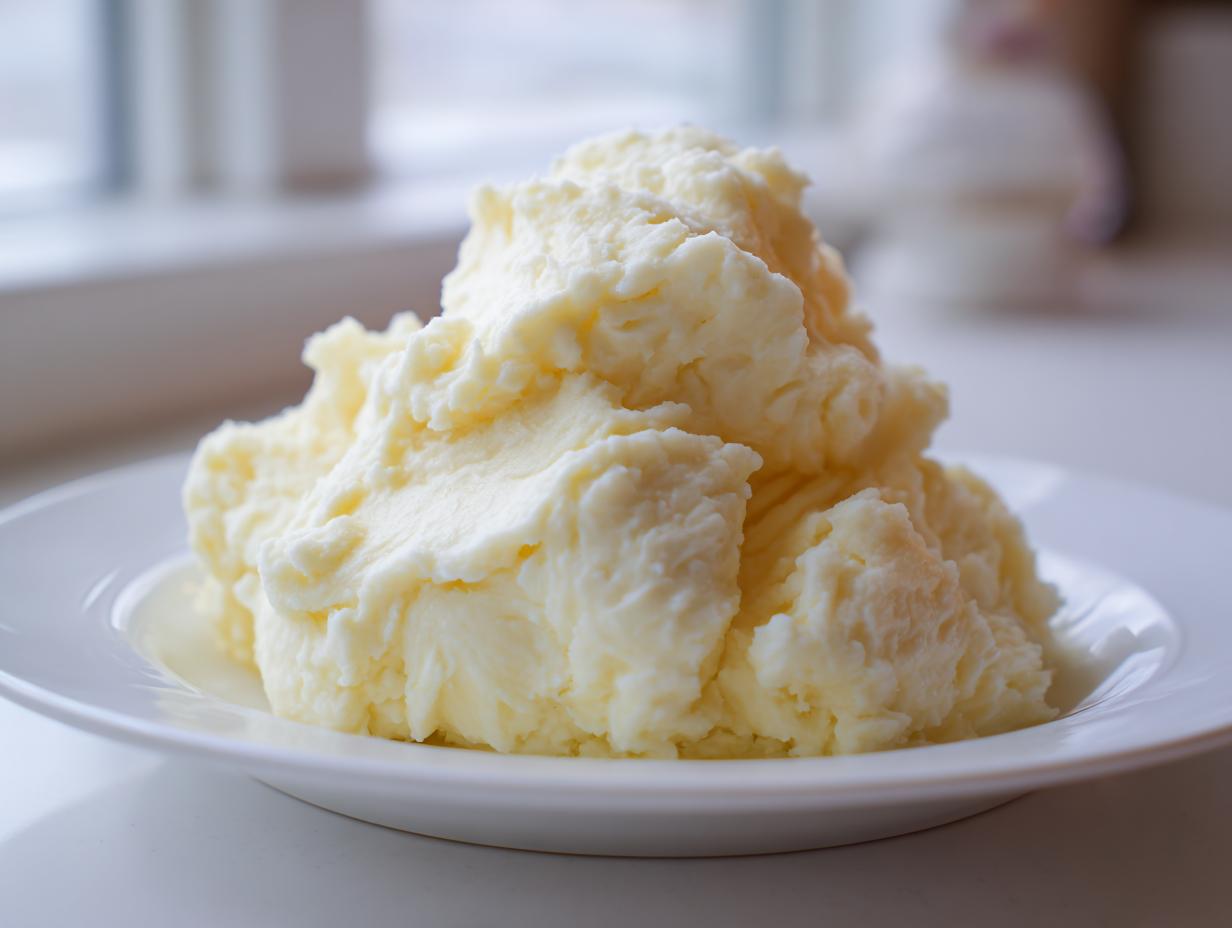
You know that feeling when you just need pure, simple comfort? For me, that’s always meant a huge scoop of the most unbelievably good mashed potatoes. Believe it or not, I almost forgot how to make them properly when my career got crazy busy. But I found my way back, just like I found my way back to my kitchen diary, and that journey brought me to this recipe for The Ultimate Ultra-Creamy Mashed Potatoes. Forget dry, lumpy sides; we’re talking rich, smooth, buttery perfection here. Making these truly creamy mashed potatoes by hand reminded me that the best food doesn’t need fancy equipment, just a little patience—which is what Little Kitchen Diary is all about. Pull up a chair; I’m going to show you everything I learned!
- Why This is Your Ultimate Creamy Mashed Potatoes Recipe
- Gathering Ingredients for Creamy Mashed Potatoes
- The Perfect Mashed Potatoes Technique: Step-by-Step
- Expert Tips for Ultra-Creamy Mashed Potatoes
- Variations on Classic Mashed Potatoes
- Serving Suggestions for Your Buttery Mashed Potatoes
- Storage and Reheating Creamy Mashed Potatoes
- Frequently Asked Questions About Creamy Mashed Potatoes
- Nutritional Estimate for This Ultimate Mashed Potatoes Recipe
- Share Your Homemade Mashed Potatoes Success
Why This is Your Ultimate Creamy Mashed Potatoes Recipe
If you’re tired of spending holidays worrying if your potatoes will turn out okay, you can finally relax. This recipe is my personal guarantee for the best mashed potatoes you’ve ever served—they are truly no-fail. We focus on simple steps that bring out incredible flavor without demanding hours in the kitchen. This is how you get those coveted creamy mashed potatoes every single time. We’re aiming for the kind of texture people talk about for years, the kind you find at places like top-tier restaurants.
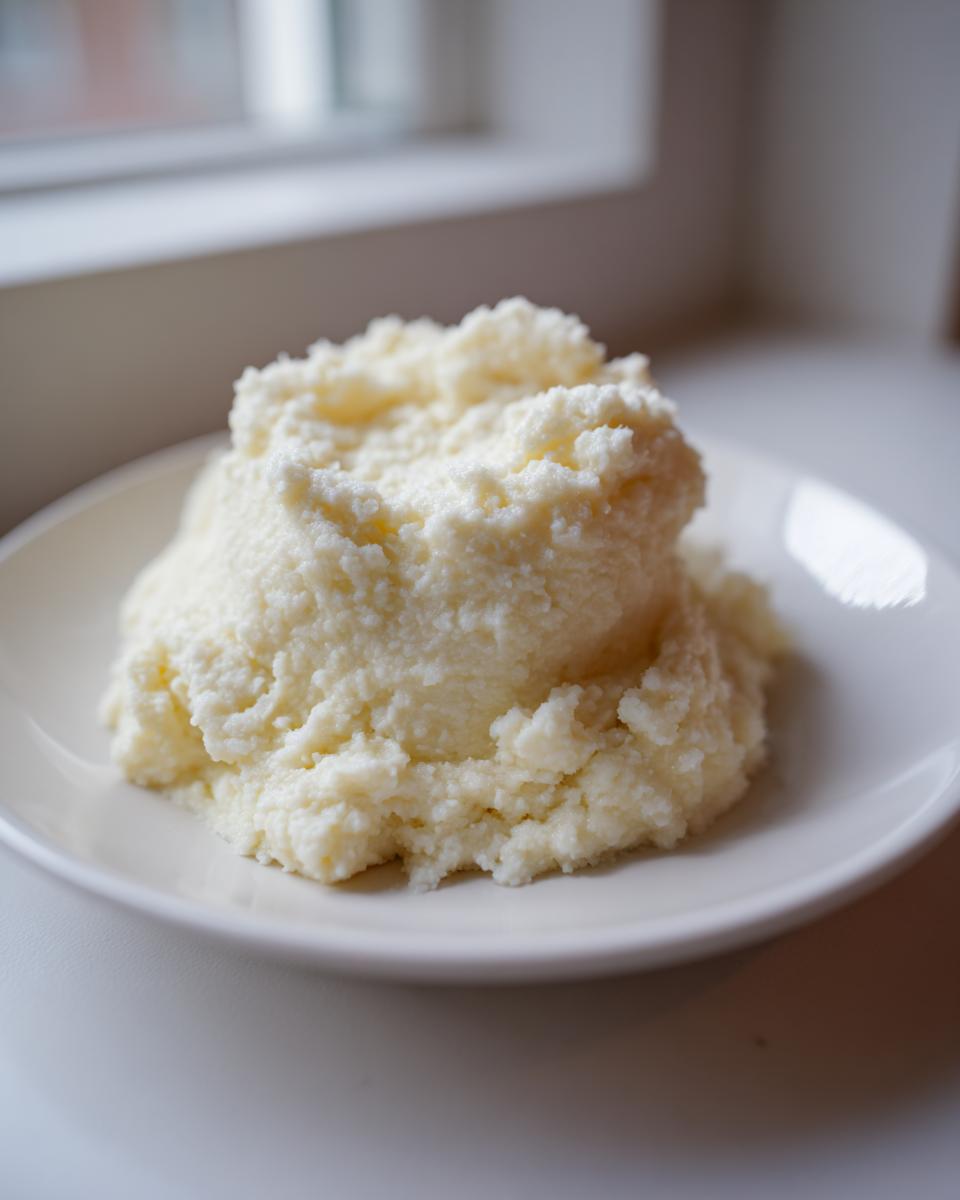
- This recipe is designed for maximum comfort with minimal fuss.
- The ingredients are simple, but the technique delivers a decadent, restaurant-quality result that stands out.
We focus on texture first, flavor second, but honestly, it’s all amazing!
Achieving Fluffy Mashed Potatoes Texture
I insist on Russet potatoes for this batch, and here’s why: their high starch content makes them naturally light and fluffy when cooked right. The absolute key to avoiding that gummy texture is drying them out after draining. We put them back on low heat just to steam off the surface moisture. Trust me, achieving truly fluffy mashed potatoes starts before you even touch the butter.
The Role of Rich Dairy in Creamy Mashed Potatoes
My secret weapon for that “ultimate” factor? Sour cream! It adds a little tang that cuts through the richness of the butter, but mostly, it just amps up the velvety feel. We use tons of butter, too. When you combine that high-fat dairy with warm milk, you are guaranteeing the most luscious, decadent, and wonderfully buttery mashed potatoes imaginable. It’s pure indulgence!
Gathering Ingredients for Creamy Mashed Potatoes
Okay, ingredient gathering time! This is one of those recipes where the quality of what you put in genuinely matters, but you don’t need anything crazy. Remember, we’re aiming for simple, delicious results. When you shop, you just need to keep a few things in mind to make sure your final dish is perfectly smooth and ready when you are. If you’re already planning other party snacks, you might want to check out my recipe for caramelized onion dip, but for now, let’s focus on these potatoes!
Potato Selection and Preparation
I insist on Russets, hands down. They break down beautifully and give us that fluff factor we are after. You’ll need about three pounds, peeled and cut into rough quarters. The most important thing here is starting them in COLD water, not hot! We want them to cook evenly from the outside edge right to the center. Don’t forget to add a good tablespoon of salt to that boiling water, too; that’s your first chance to season them properly.
Dairy Components for Richness
This is where we ensure we get rich and decadent potatoes. You must, must, must have softened butter—don’t melt it! And your sour cream needs to be at room temperature so it blends in smoothly without creating clumps. We also warm up the whole milk gently before we add it. Cold dairy is the enemy of smooth texture, so plan ahead and let those components sit out for a bit. This preparation is vital for the how to make creamy mashed potatoes process!
The Perfect Mashed Potatoes Technique: Step-by-Step
Alright, this is where the magic happens! Following these steps exactly will give you the most magnificent, velvety, and utterly perfect creamy mashed potatoes. Don’t rush the process, especially the steps involving heat management—that’s my secret to winning every time. If you’re looking for inspiration on technique, I always marvel at the precision Chef Ramsay uses, which you can see a bit of inspiration from here: Gordon Ramsay’s perfect potatoes.
Cooking and Drying the Potatoes
First, make sure your potatoes are covered in cold water in a salty pot. Bring it to a good rolling boil, then knock it down to a steady simmer for about 15 to 20 minutes. They need to be totally fork-tender—no hard bits at all! Drain them completely, then put them back into the hot, empty pot. Set that over low heat and just swirl them around for about a minute. This quick second heat blast evaporates all the surface water clinging to the potatoes. I’m serious, that step makes all the difference in avoiding soupiness!
Incorporating Fats and Liquids for Smooth Mashed Potatoes
Take the pot off the heat before you add anything. Now, toss in all those softened butter pieces. Use your masher and work that butter in until everything looks roughly combined. Don’t mash vigorously yet! Next, start pouring in that warm milk very gradually. Keep mashing gently; we’re trying to incorporate, not whip! If you mix too hard here, you start activating the starch, and that’s how we end up with gluey results. Just mix until the butter and milk are mostly absorbed and you’ve got a coarse mash.
Final Seasoning and Finishing Touches
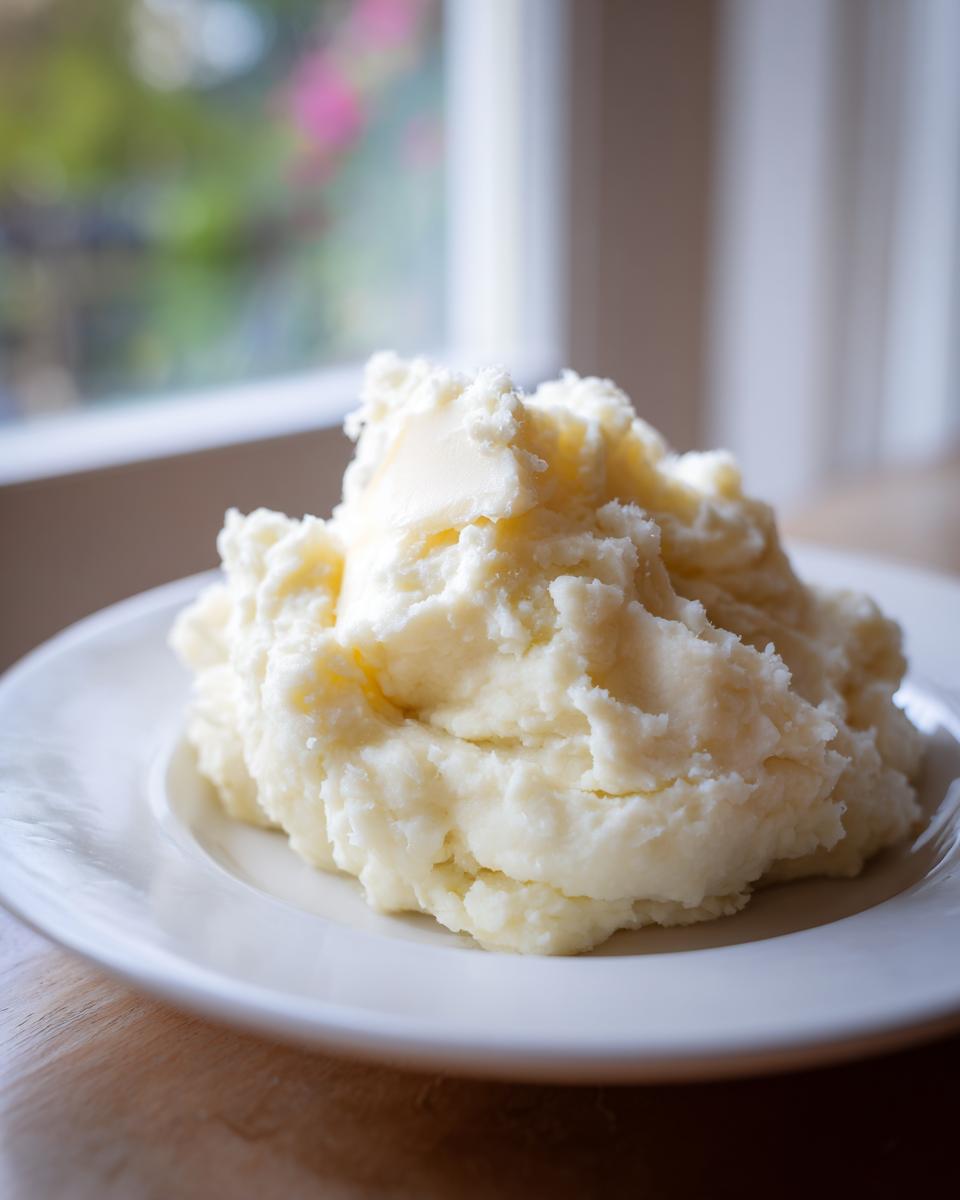
Once the butter is in and the texture is getting there, it’s time for the flavor agents. Fold in that room-temperature sour cream until it just disappears into the mixture. Stir in your salt, pepper, and that tiny pinch of nutmeg if you’re using it. Remember, you can always add more salt, but you can’t take it out! Stir just until you have a unified mixture. Give it a good taste right now. Adjust your seasoning if needed, and then serve these beauties up immediately. If you want to try adding a little Boursin cheese later, you might love my Boursin variation!
Expert Tips for Ultra-Creamy Mashed Potatoes
If you’ve followed the steps above, you already have wonderfully creamy mashed potatoes, but if you want to graduate to that true ‘ultimate’ status—the kind that makes people ask for the recipe before the plate is empty—we need to talk tools and temperature. These little details are what separate a good side dish from an absolutely legendary one. I’ve tested everything from electric mixers to food mills just so you don’t have to worry about ruining your batch!
Tool Selection: Ricer vs. Masher
Look, I love my hand masher; it feels nostalgic, right? But honestly, for the absolute smoothest finish, you need to let gravity and a press do the work. A potato ricer or a food mill is your best friend for silky texture. When you use a masher, you inevitably break down the starch cells unevenly, which leads to that sticky or gluey texture we hate. A ricer pushes the cooked potato through small holes, resulting in gorgeous, fine strands. If you are making these for a big crowd, investing in a ricer is the way to get those flawless, lump-free results. It’s the secret behind many of those famous dreamy batches!
Temperature Control Secrets for Creamy Results
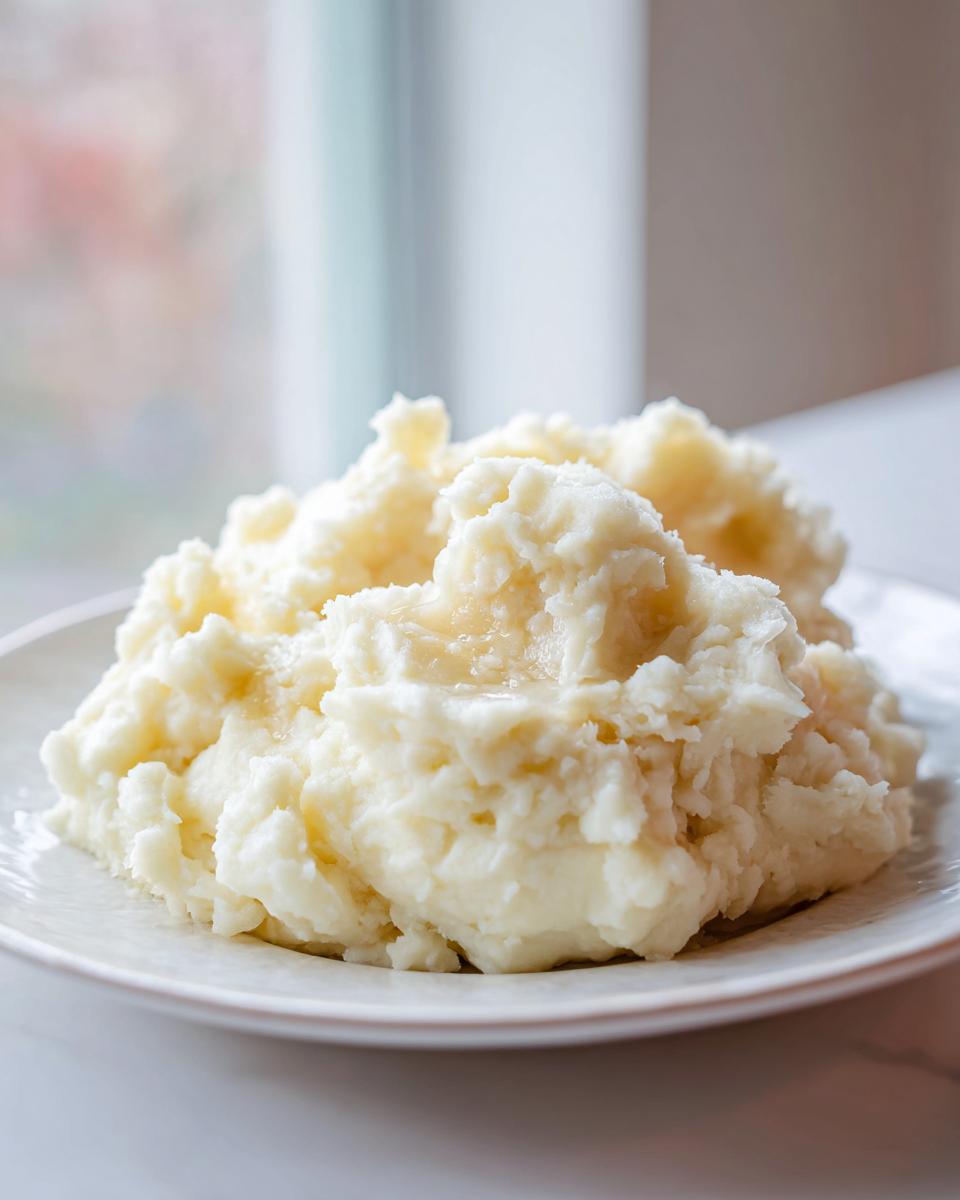
I mentioned it before, but it bears repeating: temperature is everything when finishing your potatoes. Never, ever add cold milk or cold butter to hot potatoes. When dairy hits that heat, the starches seize up, and the fats don’t emulsify properly with the potato solids. That means you end up with a grainy, separated mess instead of that lush, thick texture. Make sure your milk is warm—just shy of boiling works great—and your butter is soft enough to melt easily upon contact. Keep everything warm, handle the mixing gently, and you’ll have no trouble maintaining the silkiness you worked so hard to achieve.
If you end up with extra, don’t toss them! They are amazing mashed into patties and fried later. You can find my favorite recipe for mashed potato cakes right here on the diary.
Variations on Classic Mashed Potatoes
Now that we’ve mastered the base recipe—the creamiest, softest potatoes you could wish for—it’s fun to switch things up! You don’t need a whole new recipe every time you want a different side dish; just a couple of easy additions can completely change the vibe. These little tweaks are perfect for when you’re planning out your weekly dinner side recipes but want something more interesting than the standard version.
Adding Savory Depth: Garlic Mashed Potatoes
If you’re craving a little kick, garlic is your best friend. I used to just smash a raw clove in, but that’s too sharp! My favorite way now is to infuse our warm milk. Just drop a couple of whole, peeled garlic cloves into the milk while you’re warming it up, or if you have extra time, roast a whole head of garlic until it’s soft. Mix that soft, sweet roasted garlic right into the potatoes with the sour cream. Wow, the difference is huge!
Cheese and Herb Additions
This is honestly just cheating because cheese makes everything better, right? Right after you stir in the butter and milk, before the sour cream, toss in a cup of sharp white cheddar or some freshly grated Parmesan cheese. It melts down beautifully. For a pop of color and freshness, sprinkle in some chopped fresh chives or parsley right at the very end. It makes them look fancy without any extra effort!
Serving Suggestions for Your Buttery Mashed Potatoes
These rich, buttery potatoes aren’t just for holidays, though they are absolutely mandatory for Thanksgiving! They are the perfect partner for anything savory that needs a soft, luxurious bed to rest on. I mean, they pair perfectly with almost any stew or roast. Honestly, serving these alongside a rich dish like my marry me chicken elevates the whole dinner experience. They truly make any weeknight feel like a special occasion comfort food side dish.
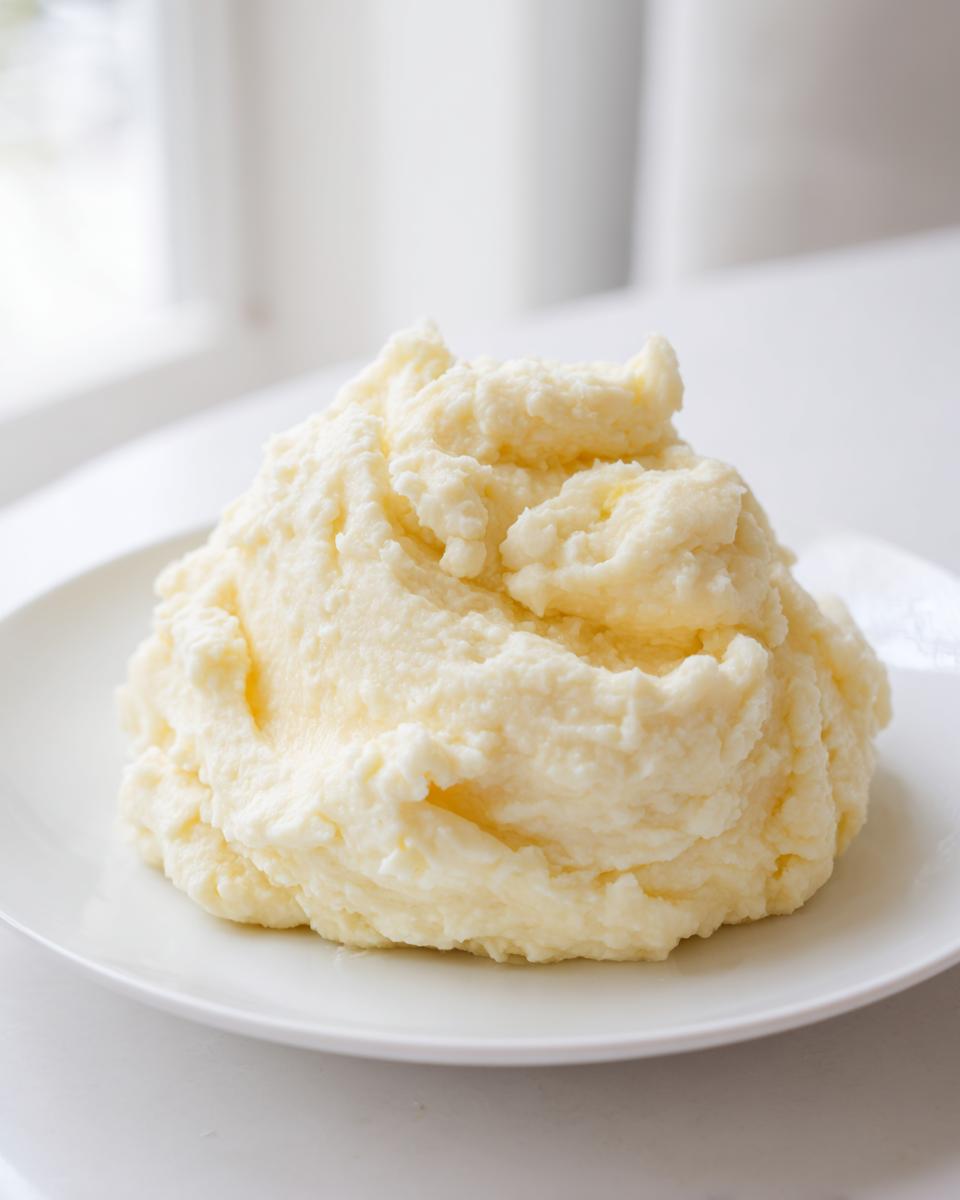
Storage and Reheating Creamy Mashed Potatoes
I get it—sometimes the holiday table just won’t hold everyone, and you need to prep ahead. The good news is that yes, you can absolutely make these creamy mashed potatoes ahead of time! If you’re planning ahead, stop right before you add the sour cream and seasonings. Cover that mash tightly and tuck it into the fridge. When you’re ready to serve, gently warm the potatoes back up on the stovetop over low heat, adding just a splash or two of warmed milk or cream to loosen them back up like they were freshly made. Stir carefully until that perfect texture returns, then stir in the sour cream and final seasonings at the very end.
If you happen to have leftovers—which I doubt, but dream big!—they store well for up to three days. You can reheat them the same way, or if you need a quick dinner side, they’re fantastic mixed into my recipe for twice-baked potato casserole. If you want more tips on making a great batch, stop by the deep dive on simple creamy mashed potatoes!
Frequently Asked Questions About Creamy Mashed Potatoes
I know that when you’re aiming for the ultimate mashed potatoes, you might have a few lingering worries about texture or timing. I’ve been there! Here are the things friends always ask me when they try this recipe for the first time. Don’t let those little worries stop you from making this incredible side dish!
How do I prevent my mashed potatoes from becoming gluey?
Gluey potatoes are the absolute worst! The main culprit is overworking the starch. Once you add your liquids, you have to stop mixing vigorously. Remember, we use Russets because they are starchy, but that means they activate easily. So, use a gentle hand for the final mix. If you use a potato ricer instead of a masher, that helps tremendously too, because it keeps the texture light and airy, giving you those wonderfully smooth mashed potatoes.
Can I make these the day before for a holiday meal?
You totally can! This is a lifesaver when you’re juggling a huge holiday meal. Prep them right up until adding the sour cream and seasonings. Store them covered in the fridge. When you’re ready to serve, reheat them slowly on the stove with a little warm milk or cream to bring them back to life. Then, stir in the sour cream and adjust the final seasoning. They taste almost better the next day!
What is the quickest way to make creamy mashed potatoes?
If time is ticking, speed comes down to two things. First, cut your potatoes into smaller, uniform pieces—this makes them boil faster! Second, make sure your milk and butter are warm before they ever hit the hot potatoes. Cold dairy will slow everything down as you try to incorporate it. If you follow those steps, you can definitely whip up a batch of quick mashed potatoes in under an hour total.
If you’re looking for something fun to do with leftovers (or just want another fun recipe idea), you might enjoy my recipe for chocolate mug cake—totally different, but equally comforting!
Nutritional Estimate for This Ultimate Mashed Potatoes Recipe
I always try to be transparent about what goes into these comforting dishes. While I’m certainly not counting every single calorie when I’m making something this decadent, I think it’s helpful to have a general idea of the nutritional picture for these rich potatoes. Please know that these numbers are just an estimate based on the ingredients listed in the recipe—things like how much salt you finally add, or the exact brand of butter you use, can change these values a bit.
When you make these at home, you are controlling everything, which is a huge plus over restaurant versions. Here’s a snapshot of what one serving looks like based on my calculations:
- Serving Size: 1 serving
- Calories: 380
- Fat: 26g
- Saturated Fat: 16g
- Cholesterol: 75mg
- Sodium: 450mg
- Carbohydrates: 32g
- Fiber: 3g
- Protein: 6g
Because we’re using butter and sour cream for that fantastic richness, the fat content is definitely there—but that’s honestly what makes them so good, right? It’s a fantastic, satisfying comfort food side dish, and on the rare occasion I have leftovers, I’m grateful they pack such a flavorful punch!
Share Your Homemade Mashed Potatoes Success
Well, we did it! We made the absolute best, most luxurious creamy mashed potatoes imaginable. I really hope you loved this process as much as I do. Please take a moment to come back and leave me a rating—it helps other folks find this recipe! I’d love to hear about your experience or see a photo of your perfect batch when you get a chance. If you have any last-minute questions or just want to say hello, use the contact page. Happy eating!
PrintThe Ultimate Ultra-Creamy Mashed Potatoes: A No-Fail Recipe

This recipe delivers the best mashed potatoes you will ever make. Follow these simple steps to achieve ultra-creamy, fluffy, and buttery potatoes perfect for any dinner or holiday feast.
- Prep Time: 15 min
- Cook Time: 25 min
- Total Time: 40 min
- Yield: 6 servings 1x
- Category: Side Dish
- Method: Stovetop Boiling and Mashing
- Cuisine: American
- Diet: Vegetarian
Ingredients
- 3 pounds Russet potatoes, peeled and quartered
- 1 cup whole milk, warmed
- 8 ounces (2 sticks) unsalted butter, cut into pieces and softened
- 1/2 cup sour cream, room temperature
- 1 teaspoon salt, plus more for boiling
- 1/2 teaspoon black pepper
- Pinch of nutmeg (optional)
Instructions
- Place the peeled and quartered potatoes in a large pot. Cover them with cold water by about one inch. Add 1 tablespoon of salt to the water.
- Bring the water to a boil over high heat. Reduce the heat to maintain a steady simmer. Cook for 15 to 20 minutes, or until the potatoes are completely tender when pierced with a fork.
- Drain the potatoes thoroughly in a colander. Let them sit for 5 minutes to allow excess steam to escape. This step helps prevent watery potatoes.
- Return the drained potatoes to the hot, empty pot set over low heat for 1 minute, shaking gently. This dries them out further.
- Remove the pot from the heat. Add the softened butter pieces to the hot potatoes. Mash the potatoes with a potato masher until the butter is mostly incorporated. Do not overmix.
- Gradually pour in the warm milk while continuing to mash or gently stir until you reach your desired consistency.
- Stir in the sour cream, salt, pepper, and nutmeg, if using. Mix just until combined and smooth. Avoid vigorous mixing, which can make the potatoes gluey.
- Taste and adjust salt and pepper as needed before serving immediately.
Notes
- For the creamiest texture, use a potato ricer or food mill instead of a masher after the initial mashing with butter.
- Keep your milk and butter at room temperature or slightly warm before adding them to the potatoes. Cold dairy lowers the temperature and results in a less smooth texture.
- If you need to make these ahead, prepare them up to the point of adding the sour cream. Store covered in the refrigerator. Reheat gently on the stovetop with a splash of extra milk or cream, then stir in the sour cream just before serving.
Nutrition
- Serving Size: 1 serving
- Calories: 380
- Sugar: 3
- Sodium: 450
- Fat: 26
- Saturated Fat: 16
- Unsaturated Fat: 10
- Trans Fat: 0.5
- Carbohydrates: 32
- Fiber: 3
- Protein: 6
- Cholesterol: 75