

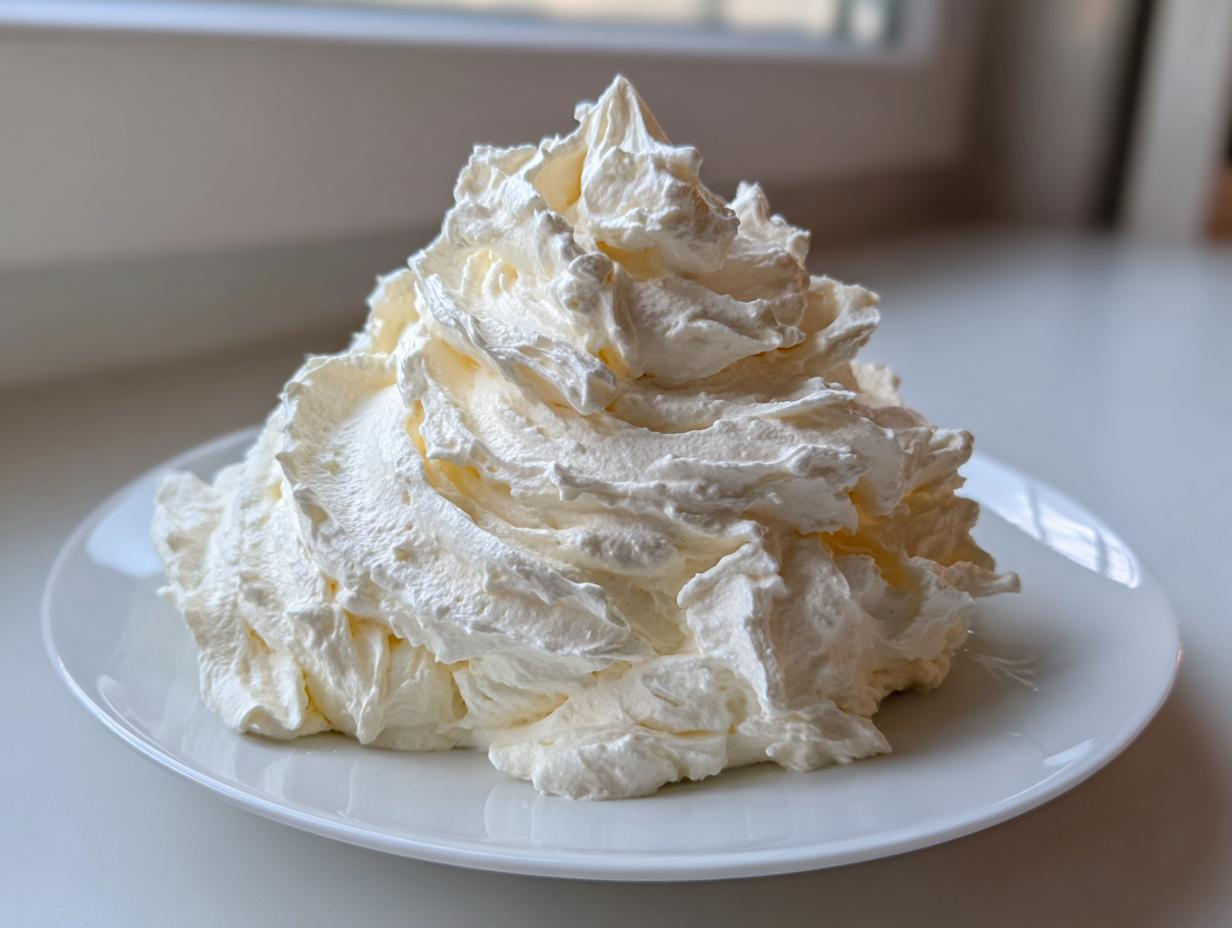
Oh, have you ever spent an hour whipping up a batch of frosting only to have it feel grainy, weep onto your beautiful cake, or instantly melt off the cupcakes when they hit room temperature? Ugh, I know that feeling well! That frustration is exactly what drove me, Ethan, away from complicated recipes and back into my kitchen diary. I needed something dependable. Trust me, you don’t need to be a professional baker to get that amazing swirl on top of your treats. That’s why I spent weeks perfecting what I confidently call the ultimate stable & fluffy American vanilla buttercream frosting recipe. It’s creamy, it pipes like a dream, and frankly, it’s ready in about ten minutes. This simple, no-fail icing is exactly what busy home cooks need to make their desserts look bakery-worthy every time!
- Why This is the Best Homemade Frosting for Your Cakes
- Simple Ingredients for Your Vanilla Buttercream Frosting
- How to Make Vanilla Buttercream Frosting: A Quick Frosting Recipe
- Tips for Perfect, Stable Frosting for Cakes
- Serving Suggestions for Your Creamy Vanilla Frosting
- Storage and Reheating Instructions for Vanilla Buttercream Frosting
- Variations: Beyond Classic Vanilla Icing for Cookies
- Frequently Asked Questions About Vanilla Buttercream Frosting
- Nutritional Estimates for Sweet Dessert Topping
- Nutritional Estimates for Sweet Dessert Topping
Why This is the Best Homemade Frosting for Your Cakes
Listen, I’ve been there. I’ve thrown away batches of frosting that looked like soup in August or scraped off layers that tasted like powdered sugar grit. That’s why this recipe became my go-to. It’s easily the best homemade frosting I’ve ever made because it fixes those common problems. We’re focusing on delivering a truly creamy vanilla frosting that stays put! The structure is what sets this apart; it’s designed to handle warm rooms without sliding off your bake.
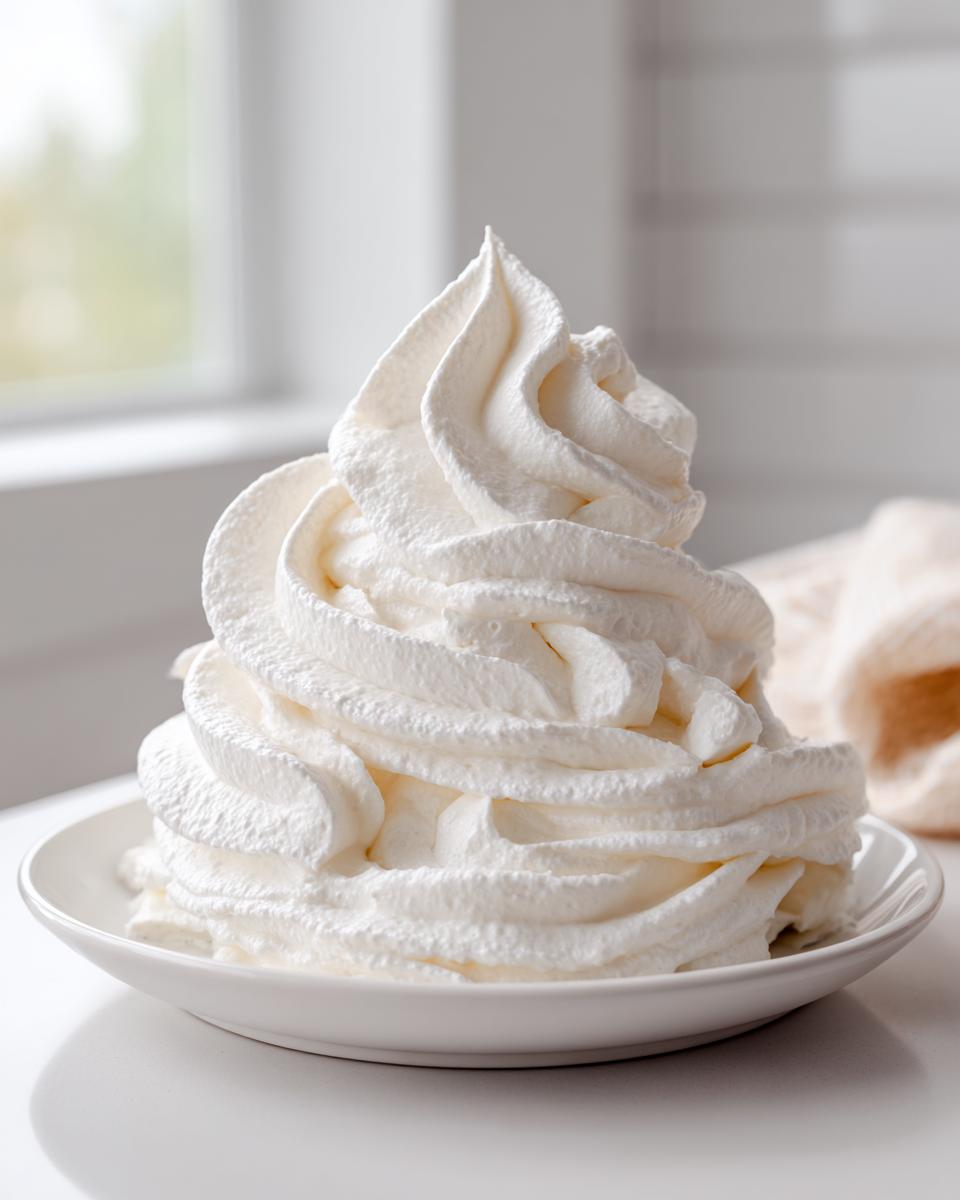
Achieving Perfect Piping Buttercream Consistency
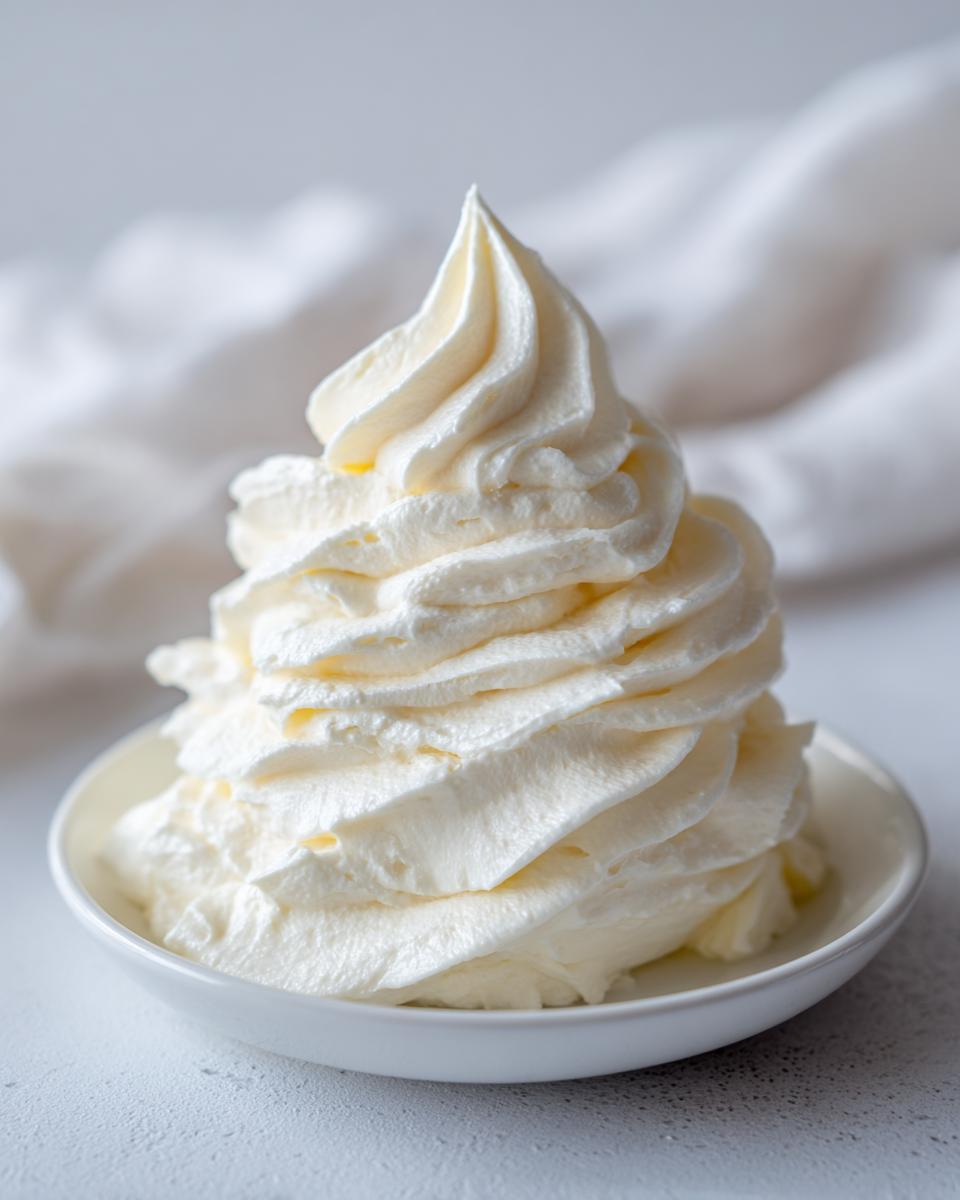
The main reason bakers love this is its reliability for decorating. When you need that perfect swirl on a cupcake, you need stability and structure, right? This blend of butter and sugar whipping creates the precise piping buttercream consistency. It holds those beautiful ridges from your piping tip without drooping or losing definition, making it ideal for everything from elegant layer cakes to quick cookie icing.
Simple Ingredients for Your Vanilla Buttercream Frosting
The beauty of this amazing vanilla buttercream frosting is that you probably already have everything hanging out in your pantry. We aren’t messing around with complicated sugars or specialty fats here—just simple, high-quality staples that work together perfectly. Remember, we want a delicious, dependable result every single time, and using clear measurements is my first rule for success. Here’s what you’ll need to make about four cups of the best topping.
- 1 cup (226g) unsalted butter, softened to room temperature
- 4 cups (480g) powdered sugar, sifted
- 1 teaspoon pure vanilla extract
- 3–5 tablespoons heavy cream or milk
- Pinch of salt
Ingredient Notes and Substitutions for Smooth Buttercream
A couple of quick notes on what makes this work so well! First, the butter must be room temperature—if it’s too cold, you get lumps; if it’s melted, your frosting will turn soupy. Also, skip that imitation vanilla! Using pure vanilla extract is key for getting that lovely, rich vanilla flavor frosting we’re after. If you’re piping detailed work, start with only 2 tablespoons of cream and add more only if necessary. Too much liquid makes frosting soft, which ruins piping stability!
How to Make Vanilla Buttercream Frosting: A Quick Frosting Recipe
Ready for the fastest way to beautiful topping? This is it! Making this vanilla buttercream frosting is shockingly fast—we’re aiming for ready-to-use in under 15 minutes total. We need to treat the ingredients right, especially during the mixing process, because that’s what transforms basic butter and sugar into something light.
Follow these steps exactly, and you’ll see why this approach yields such a consistently quick frosting recipe that never fails.
- Place the softened butter in the bowl of a stand mixer fitted with the paddle attachment. Beat the butter on medium speed until it is completely smooth and creamy, about 3 minutes. Scrape down the sides of the bowl.
- Gradually add the sifted powdered sugar, one cup at a time, mixing on low speed until just combined after each addition.
- Add the vanilla extract and salt. Mix on low speed until incorporated.
- Increase the mixer speed to medium-high. Add 3 tablespoons of heavy cream or milk. Beat the frosting for 3 to 5 minutes until it becomes light, fluffy, and smooth. This whipping time is key for achieving a stable, piping consistency.
- If the frosting seems too stiff for spreading, add the remaining cream, one teaspoon at a time, until you reach your desired consistency. If it is too soft, add a small amount of extra sifted powdered sugar.
- Use immediately to frost cakes, cupcakes, or cookies.
If you’re looking for the technique behind truly perfect results, I highly recommend checking out this detailed guide on stable frosting methods: The Ultimate 10-Minute Fluffy Vanilla Buttercream Frosting Recipe.
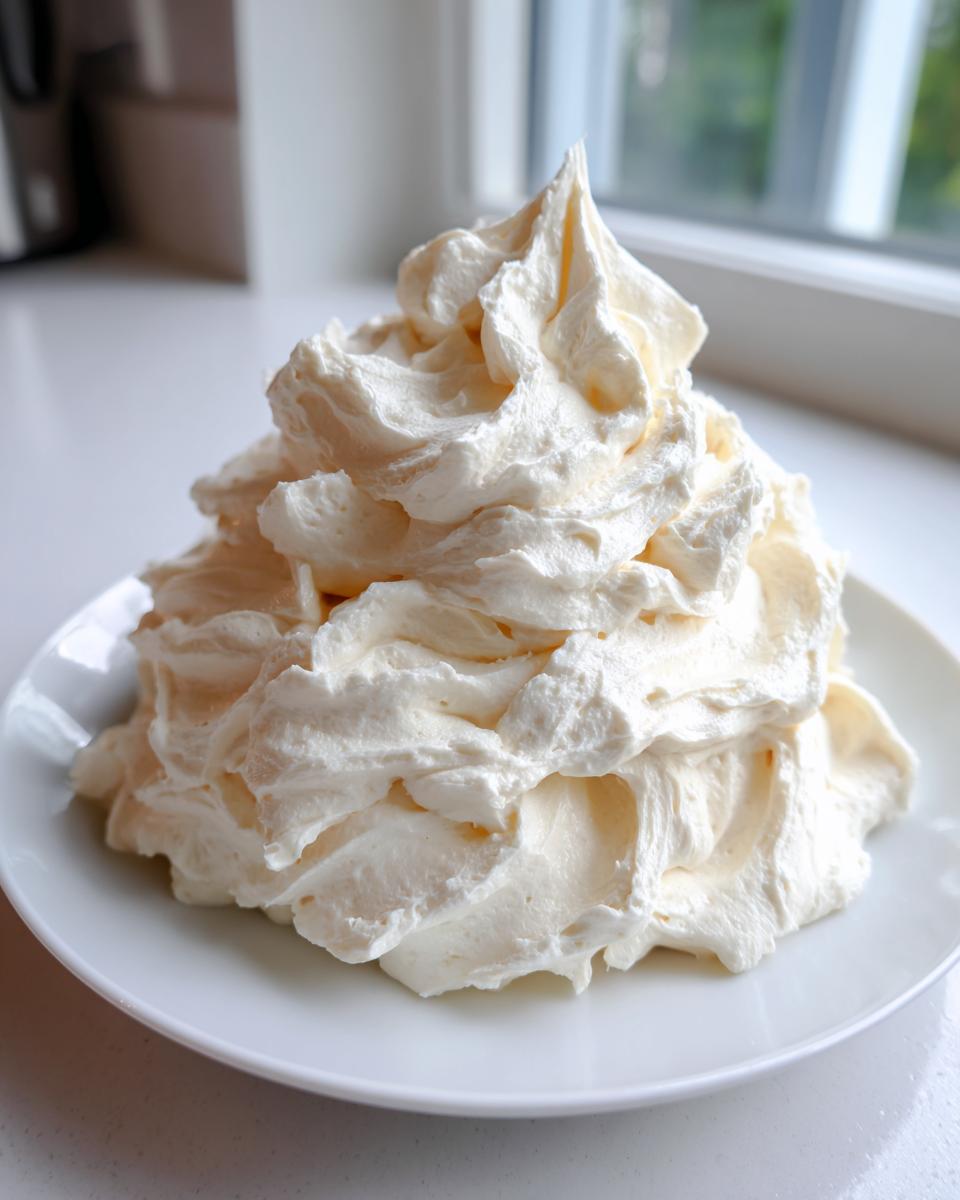
The Creaming Process for Ultimate Vanilla Topping
The secret sauce for that airy texture happens in two spots. First, when you beat the butter for three full minutes until it’s perfectly smooth—no lumps allowed! Then, the real magic happens during the final whip. When you crank that mixer up high and let it go for a solid 3 to 5 minutes after adding the liquid, that’s when it transforms into whipped vanilla frosting. I always watch the color closely; when the butter and sugar mixture turns pale yellow and looks visibly lighter and fluffier, you know you’ve created the structure for this ultimate vanilla topping.
Tips for Perfect, Stable Frosting for Cakes
Even with a rock-solid recipe like this, sometimes things happen in the kitchen, right? Don’t stress! Since we are going for that amazing stable frosting for cakes, a few tweaks can save your bake if something goes a little sideways. My goal is for you to have a completely no-fail vanilla icing experience, so let’s talk fixes before they become emergencies.
Troubleshooting Common Vanilla Buttercream Frosting Issues
If your frosting feels gritty, you skipped sifting the powdered sugar—oops! Give it a quick whip on high again, or sift it in slowly now. Graininess happens when sugar doesn’t dissolve properly. If the frosting seems soupy or starts weeping, it usually means the room is too warm or you added too much cream too fast. Stop adding liquid immediately! The fix is adding 1/4 cup of extra sifted powdered sugar and beating it on high speed for a few minutes to build that structure back up. This simple American buttercream tutorial approach keeps you in control.
Serving Suggestions for Your Creamy Vanilla Frosting
Now that you have this gorgeous, creamy vanilla frosting, the fun starts! This classic cake frosting is the ultimate background player for almost any sweet creation. Of course, it’s incredible piled high on homemade cupcakes—it pipes up so beautifully! But don’t stop there. This is my go-to vanilla icing for cookies because it sets up nicely and doesn’t slide off, giving you sturdy decorations.
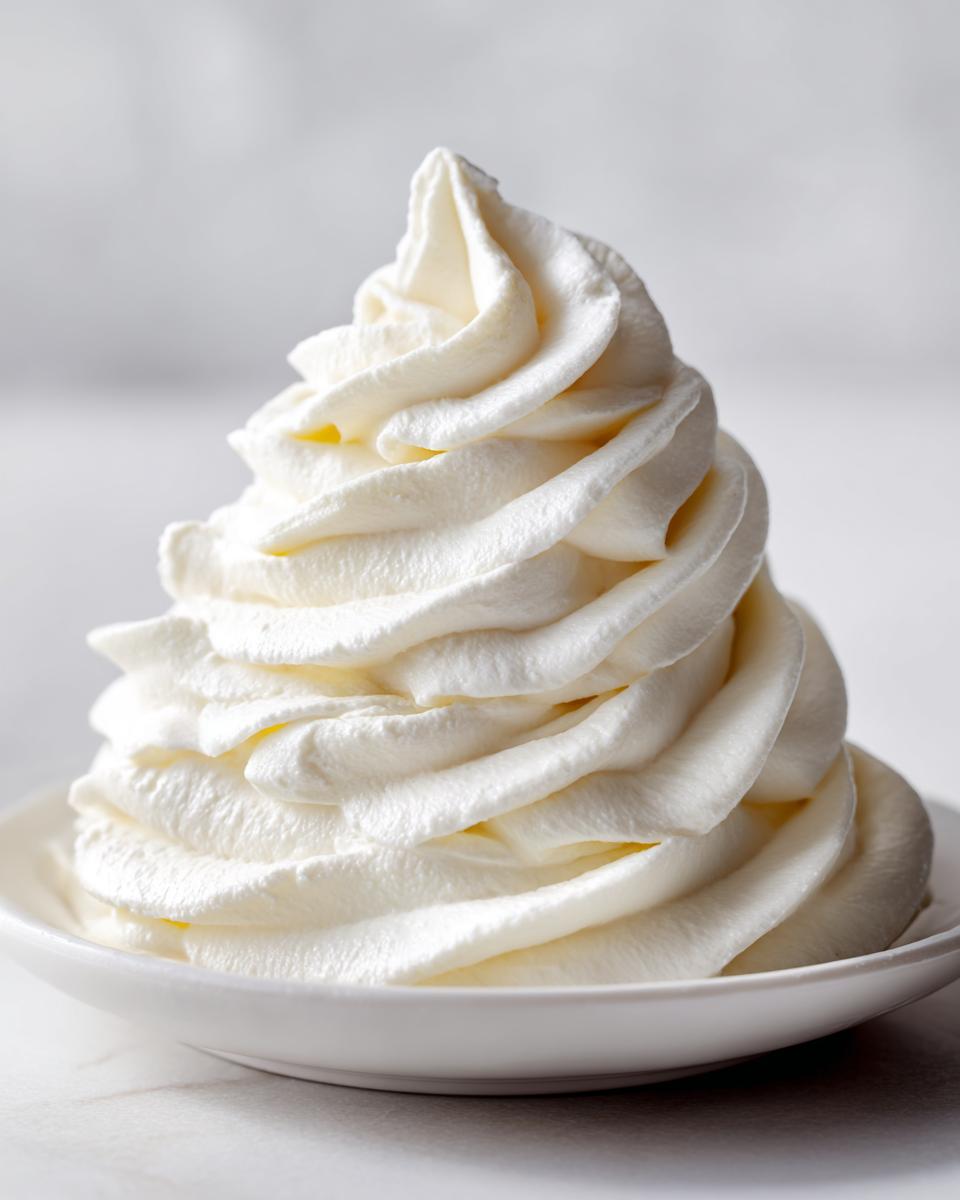
It’s fantastic layered between simple vanilla or chocolate sponge cakes. But if you want to get a little adventurous, try pairing this with something spiced! It’s seriously divine slathered on my pumpkin snickerdoodle cookies. You can find that fun recipe right over here if you want to try a contrasting spice flavor foundation for this sweet topping!
Storage and Reheating Instructions for Vanilla Buttercream Frosting
Good news! Since this is such a sturdy vanilla buttercream frosting, storage is surprisingly easy. If you don’t use it right away, it keeps really well! I usually keep mine at cool room temperature for a day or two if the kitchen isn’t too hot. Just make sure it’s covered tightly with plastic wrap pressed directly onto the surface—that stops any crust from forming.
If you need it to last longer, the fridge is your friend. Always pop it into an airtight container before chilling. When you take it out later, don’t panic if it looks stiff! That’s the butter setting up. Just let it sit on the counter for about an hour to soften up a bit, then give it a good, quick re-whip with the mixer for 30 seconds. That little bit of air brings it right back to that perfectly smooth buttercream texture, ready for spreading!
Variations: Beyond Classic Vanilla Icing for Cookies
While this basic vanilla buttercream frosting is fantastic all on its own—a true classic for a reason—sometimes a little flair is fun! Once you master the core recipe that works perfectly as vanilla icing for cookies, you can start having fun with flavor boosts. These little tweaks are easy, and they only take a moment longer!
My favorite simple variation is adding citrus. A teaspoon of fresh lemon or orange zest folded in right at the end brightens up the whole frosting—it cuts through the sweetness beautifully! Another swap I love is using a half-and-half blend of vanilla extract and almond extract. That little almond whisper adds a lovely, almost nostalgic note to the frosting that folks always ask about.
And if you’re feeling truly adventurous and want something rich? Try incorporating a tablespoon of instant espresso powder when you add the vanilla. It doesn’t make it taste like coffee, but it deepens the vanilla and butter flavor profile tremendously. You can learn about another super simple sweet recipe, my easiest 3-ingredient Oreo fudge recipe, for a completely different kind of indulgence!
Frequently Asked Questions About Vanilla Buttercream Frosting
I always get questions about making sure this vanilla buttercream frosting turns out perfect, especially when I share it with friends who are new to baking. It’s totally normal to have questions when you’re trying to achieve that bakery look at home! Here are the things I hear most often to ensure your experience is totally foolproof.
Can I use salted butter in this fluffy buttercream recipe?
Yes, you absolutely can! If that’s all you have on hand, go for it. Just remember that salted butter adds a little more sodium than unsalted. My advice is simple: if you use salted butter, you should completely skip adding the extra pinch of salt to the recipe at the end. Otherwise, the flavor might be a little too sharp for a sweet fluffy buttercream recipe. Taste it first once the butter and sugar are mixed, then decide!
How do I make this frosting stiffer for detailed cupcake decorator frosting?
This is a huge concern when you’re trying to do those sharp rosettes! To get a really stiff texture that’s perfect for intricate piping—ideal for the advanced cupcake decorator frosting look—you need to manage your liquid carefully. Stick to using only 2 tablespoons of cream or milk total, even if it seems stiff at first. If it still looks a touch soft after that long 5-minute whip, the absolute best fix is adding powdered sugar, one tablespoon at a time, until you feel that nice resistance when the paddle attachment is moving it around. More sugar equals stiffer frosting!
What is the difference between this and Swiss Meringue Buttercream?
That’s a great technical question! The main difference is how the sugar and butter are treated. This recipe is for American style, which means we just beat butter and powdered sugar together. It’s quick, sweet, and sets up nicely, making it a fantastic classic cake frosting. Swiss Meringue Buttercream, on the other hand, requires heating egg whites and sugar over a double boiler first to dissolve the sugar and create a meringue before adding the butter. It’s silkier and less sweet than ours but takes way more time and is definitely not a quick frosting recipe!
Nutritional Estimates for Sweet Dessert Topping
Since this amazing sweet dessert topping is definitely a treat, I pulled together the averages so you know what you’re working with. Keep in mind these numbers are just estimates based on the recipe using 4 tablespoons of heavy cream and standard ingredient sizes. For an exact count, you’d need to plug in the specific brands you use!
- Serving Size: 1/12 of batch
- Calories: 310
- Sugar: 42g
- Sodium: 55mg
- Fat: 15g
- Saturated Fat: 9g
- Unsaturated Fat: 6g
- Trans Fat: 0.3g
- Carbohydrates: 44g
- Fiber: 0g
- Protein: 1g
- Cholesterol: 38mg
This information is just a baseline, but it helps show why a little bit of this rich, fluffy frosting goes a long, delicious way!
Nutritional Estimates for Sweet Dessert Topping
Since this amazing vanilla buttercream frosting is definitely a treat, I pulled together the averages so you know what you’re working with. Keep in mind these numbers are just estimates based on the recipe using 4 tablespoons of heavy cream and standard ingredient sizes. For an exact count, you’d need to plug in the specific brands you use!
- Serving Size: 1/12 of batch
- Calories: 310
- Sugar: 42g
- Sodium: 55mg
- Fat: 15g
- Saturated Fat: 9g
- Unsaturated Fat: 6g
- Trans Fat: 0.3g
- Carbohydrates: 44g
- Fiber: 0g
- Protein: 1g
- Cholesterol: 38mg
This information is just a baseline, but it helps show why a little bit of this rich, fluffy frosting goes a long, delicious way!
PrintThe Ultimate Stable & Fluffy American Vanilla Buttercream Frosting
This is the no-fail recipe for classic American vanilla buttercream frosting. You will achieve a creamy, smooth, and stable texture perfect for piping cakes and cookies quickly.
- Prep Time: 10 min
- Cook Time: 0 min
- Total Time: 10 min
- Yield: About 4 cups 1x
- Category: Dessert Topping
- Method: Mixing
- Cuisine: American
- Diet: Vegetarian
Ingredients
- 1 cup (226g) unsalted butter, softened to room temperature
- 4 cups (480g) powdered sugar, sifted
- 1 teaspoon pure vanilla extract
- 3–5 tablespoons heavy cream or milk
- Pinch of salt
Instructions
- Place the softened butter in the bowl of a stand mixer fitted with the paddle attachment. Beat the butter on medium speed until it is completely smooth and creamy, about 3 minutes. Scrape down the sides of the bowl.
- Gradually add the sifted powdered sugar, one cup at a time, mixing on low speed until just combined after each addition.
- Add the vanilla extract and salt. Mix on low speed until incorporated.
- Increase the mixer speed to medium-high. Add 3 tablespoons of heavy cream or milk. Beat the frosting for 3 to 5 minutes until it becomes light, fluffy, and smooth. This whipping time is key for achieving a stable, piping consistency.
- If the frosting seems too stiff for spreading, add the remaining cream, one teaspoon at a time, until you reach your desired consistency. If it is too soft, add a small amount of extra sifted powdered sugar.
- Use immediately to frost cakes, cupcakes, or cookies.
Notes
- For the smoothest texture, make sure your butter is truly at room temperature, not melted.
- Sifting the powdered sugar prevents grainy spots in your final frosting.
- If you need a stiffer frosting for detailed piping work, reduce the liquid to 2 tablespoons initially.
- This recipe makes enough to generously frost one 9-inch layer cake or about 18 cupcakes.
Nutrition
- Serving Size: 1/12 of batch
- Calories: 310
- Sugar: 42g
- Sodium: 55mg
- Fat: 15g
- Saturated Fat: 9g
- Unsaturated Fat: 6g
- Trans Fat: 0.3g
- Carbohydrates: 44g
- Fiber: 0g
- Protein: 1g
- Cholesterol: 38mg