

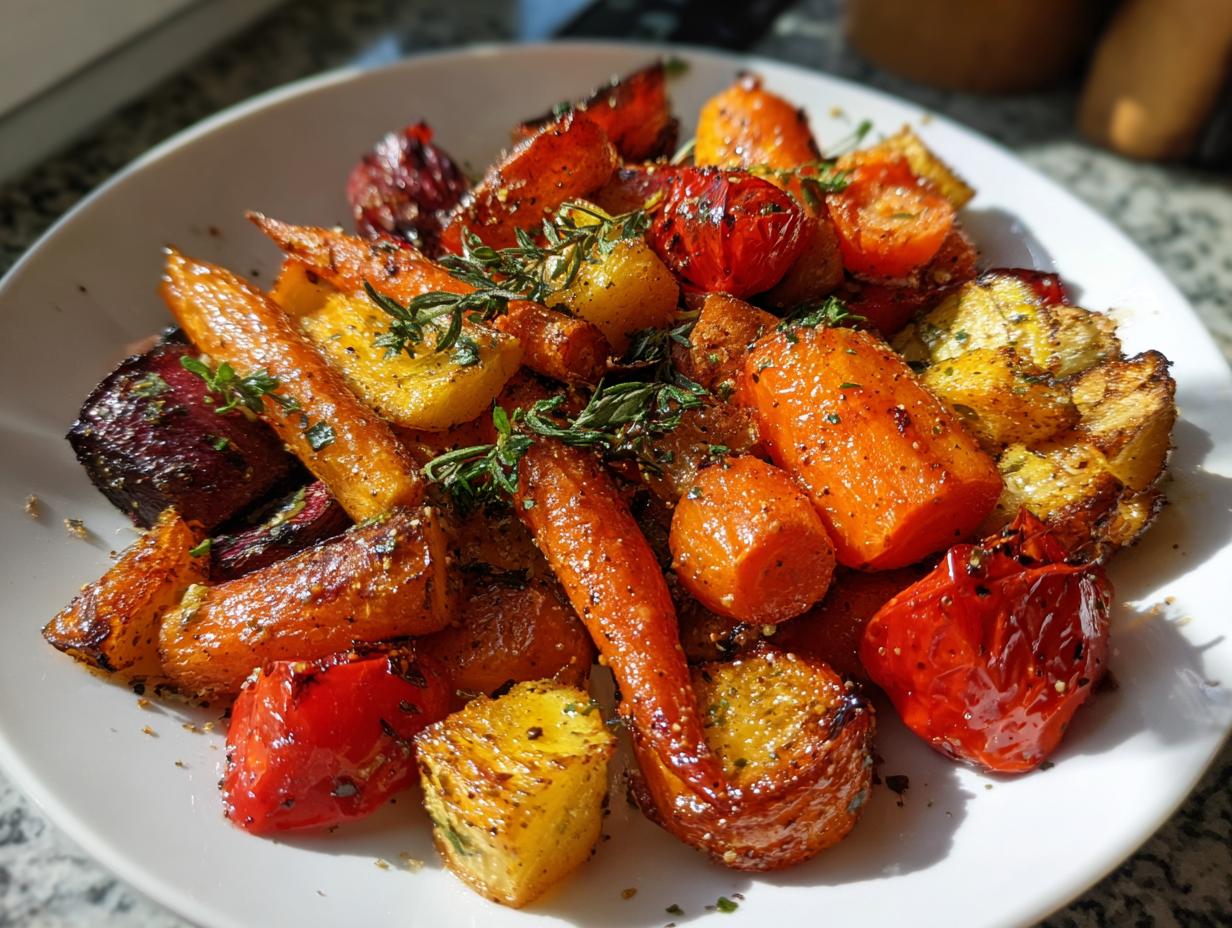
If you’re anything like I was a few years ago, you’ve probably stared sadly at a pan of baked vegetables that have turned to mush instead of achieving that beautiful, caramelized crispness. It’s the most frustrating thing when you’re counting on an easy side dish to save your busy weeknight. Well, trust me, I got tired of the limp, steamed disappointment too. That’s exactly why I started documenting my journey back to real cooking in my little notebook! This guide cuts through all the noise to give you the foolproof technique for the ultimate roasted vegetables—tender inside, beautifully crisp outside. You’ll never go back to watery veggies again, I promise!
- Why This Method Guarantees Perfect Roasted Vegetables Every Time
- Essential Ingredients for Flavorful Roasted Vegetables
- Step-by-Step Instructions for Foolproof Vegetable Roasting
- Tips for the Best Roasting Techniques
- Making This an Easy Vegetable Side Dish: Variations
- Serving Suggestions for Your Roasted Vegetable Medley
- Storage and Reheating Instructions
- Frequently Asked Questions About Roasting Vegetables
- Recipe Snapshot and Next Steps
Why This Method Guarantees Perfect Roasted Vegetables Every Time
Folks, this isn’t just another recipe; this is the method I developed after throwing out three sad, mushy pans in a row. When you search for the best roasting techniques, what you’re really looking for is physics working in your favor. We’re aiming for two things simultaneously: tenderness deep inside the vegetable and that gorgeous, deep browning on the outside. This technique for roasted vegetables nails that balance because we control the moisture and maximize the heat transfer.
The Secret to Crispy Roasted Vegetables: High Heat and Dryness
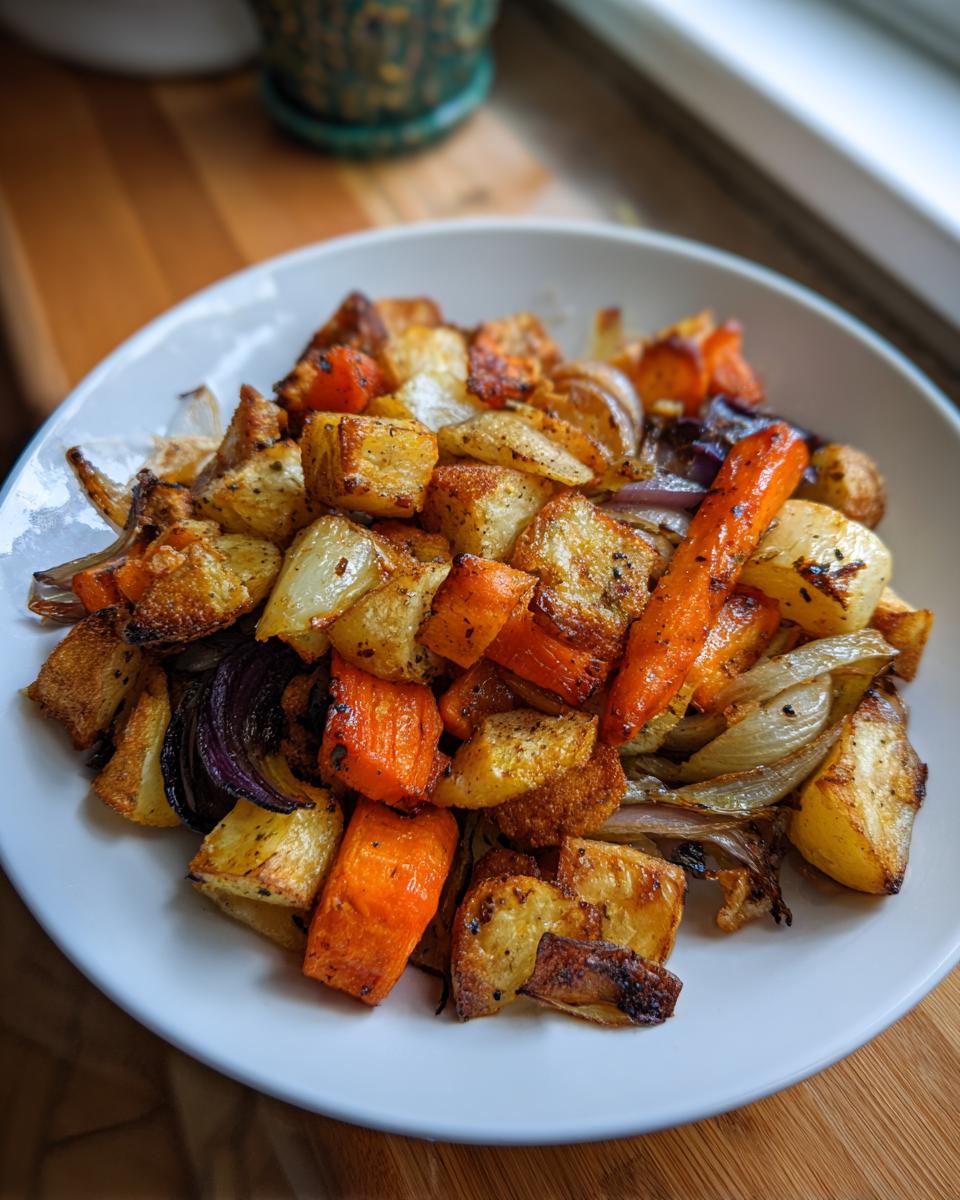
First off, you have to turn the heat up! We’re setting the oven to 425°F. Anything lower, and you risk boiling the veggies in their own juices before they get a chance to roast. The second, and maybe most critical step, is drying them off completely. Grab those paper towels and blot every piece dry. If your vegetables are wet, they steam, and nobody wants steamed carrots—we want crispy roasted vegetables, right?
Preheating the Pan for Instant Caramelization
This trick genuinely changed my life. You can’t just put cold vegetables on a cold pan and expect magic! You stick that big sheet pan right into the oven while it preheats. When you drop those oiled veggies onto the piping hot metal, you get instant searing. That immediate contact creates those lovely, deep brown, slightly sweet spots we call caramelized vegetables. It’s the difference between roasting and just baking them sadly in the oven.
Essential Ingredients for Flavorful Roasted Vegetables
When we talk about roasted vegetables, the goal is flavor amplification, and that starts right here with what goes into the bowl. For this method, you need about two pounds of mixed seasonal veggies—think broccoli, carrots, bell peppers, whatever looks great at the store that day. We’re keeping the seasoning simple and classic because the high heat does most of the heavy lifting! Before anything else, grab your olive oil, salt, pepper, garlic powder, and dried Italian herbs. Don’t forget that optional but highly recommended maple Dijon glaze if you want that sweet kick!
Vegetable Selection and Preparation Clarity
Okay, pay attention here because this step dictates texture. For a fantastic roasted vegetable medley, you must cut all your pieces to be roughly the same size. If you have giant chunks of potato next to tiny florets of broccoli, you’ll end up with some burned bits and some raw bits. Remember what I said about drying them? Do that thoroughly—I mean really blot them dry with paper towels. Moisture is the enemy of caramelization, period.
Simple Seasoning Mix for Garlic Roasted Vegetables Recipe
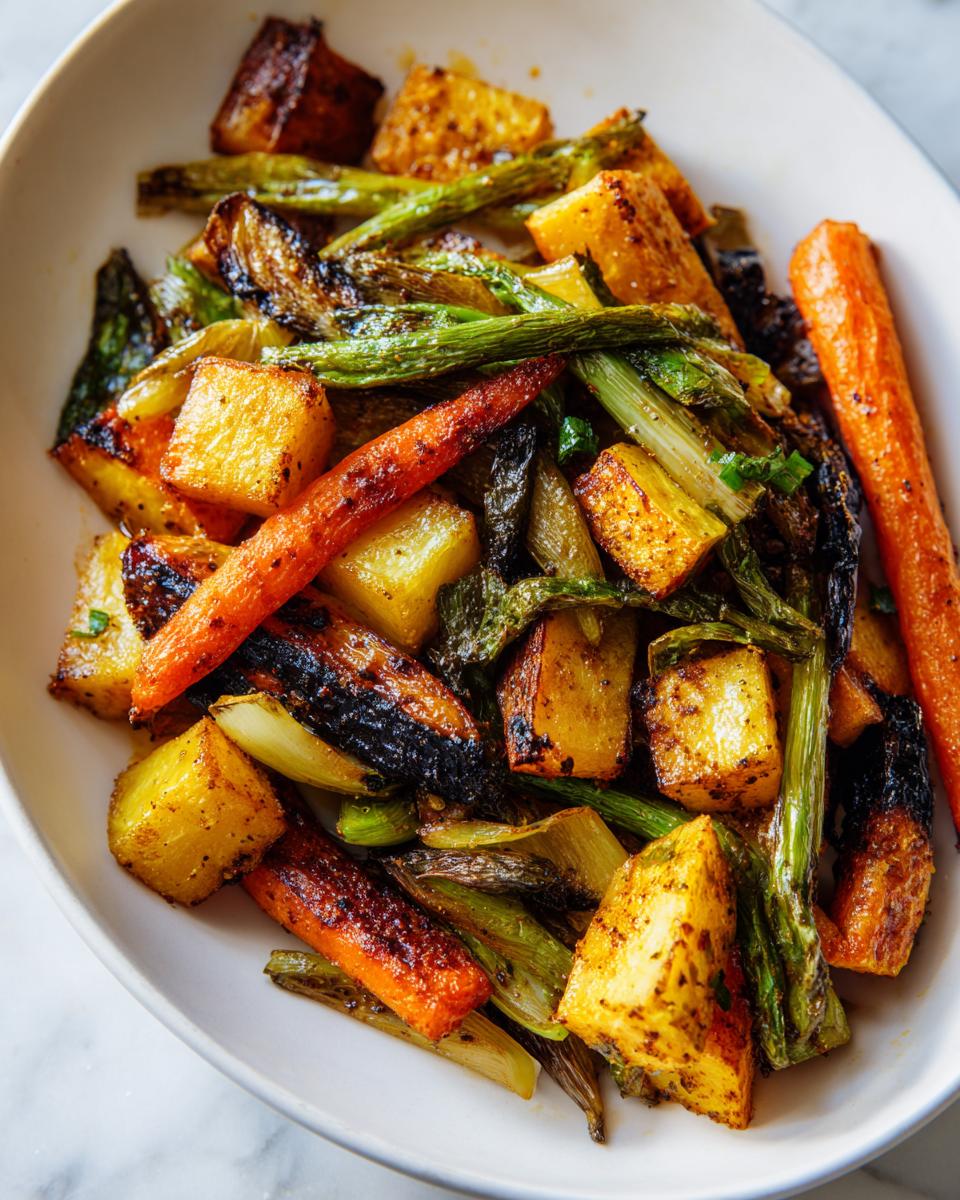
To get that perfect, savory depth for our garlic roasted vegetables recipe, we rely on a tried-and-true blend. You’ll need a teaspoon of kosher salt and half a teaspoon of black pepper, plus a full teaspoon of garlic powder and half a teaspoon of dried Italian herbs stirred into three tablespoons of olive oil. That oil needs to coat everything evenly before it hits that hot pan. This specific ratio keeps things incredibly tasty without overpowering the fresh flavor of the vegetables themselves. I always find this seasoning mix at this dip recipe I shared earlier, honestly!
Step-by-Step Instructions for Foolproof Vegetable Roasting
Now that we understand the “why,” let’s get to the “how.” Making incredible roasted vegetables is surprisingly fast—we are only talking about 25 minutes of actual oven time. Just follow these steps precisely, and you’ll see why people rave about getting that perfect caramelization! I’ve laid out the exact sequence so you can follow along easily, especially when you’re whipping up a batch of quick vegetable recipes after a long day.
Preheat and Oil Coating for Roasted Vegetables
The very first thing you do is crank that oven up to 425°F. While it’s heating up—and this is important—put your large baking sheet inside so it gets scorching hot. In a big bowl, toss all your uniformly cut veggies with the olive oil, then hit them with all your salt, pepper, garlic powder, and herbs. Mix it well! But here is the biggest pointer for the best roasting techniques: spread them out on that hot sheet in a single layer. If they are piled up, they steam! Use two pans if you have to—don’t overcrowd them!
Applying the Maple Dijon Glaze for Roasted Vegetables
If you want to add that little pop of sweet and tangy flavor, this is where the optional maple Dijon glaze comes in handy. Once the vegetables have cooked for about 12 minutes, you pull the tray out. Be careful, it’s hot! Lightly brush or drizzle your maple Dijon mixture right over the top of the vegetables. It doesn’t need to be heavy, just a light coat. Then, pop them right back into that high heat for the remaining time. This ensures the glaze for roasted vegetables sets up nicely without burning before the insides are perfectly cooked through.
Tips for the Best Roasting Techniques
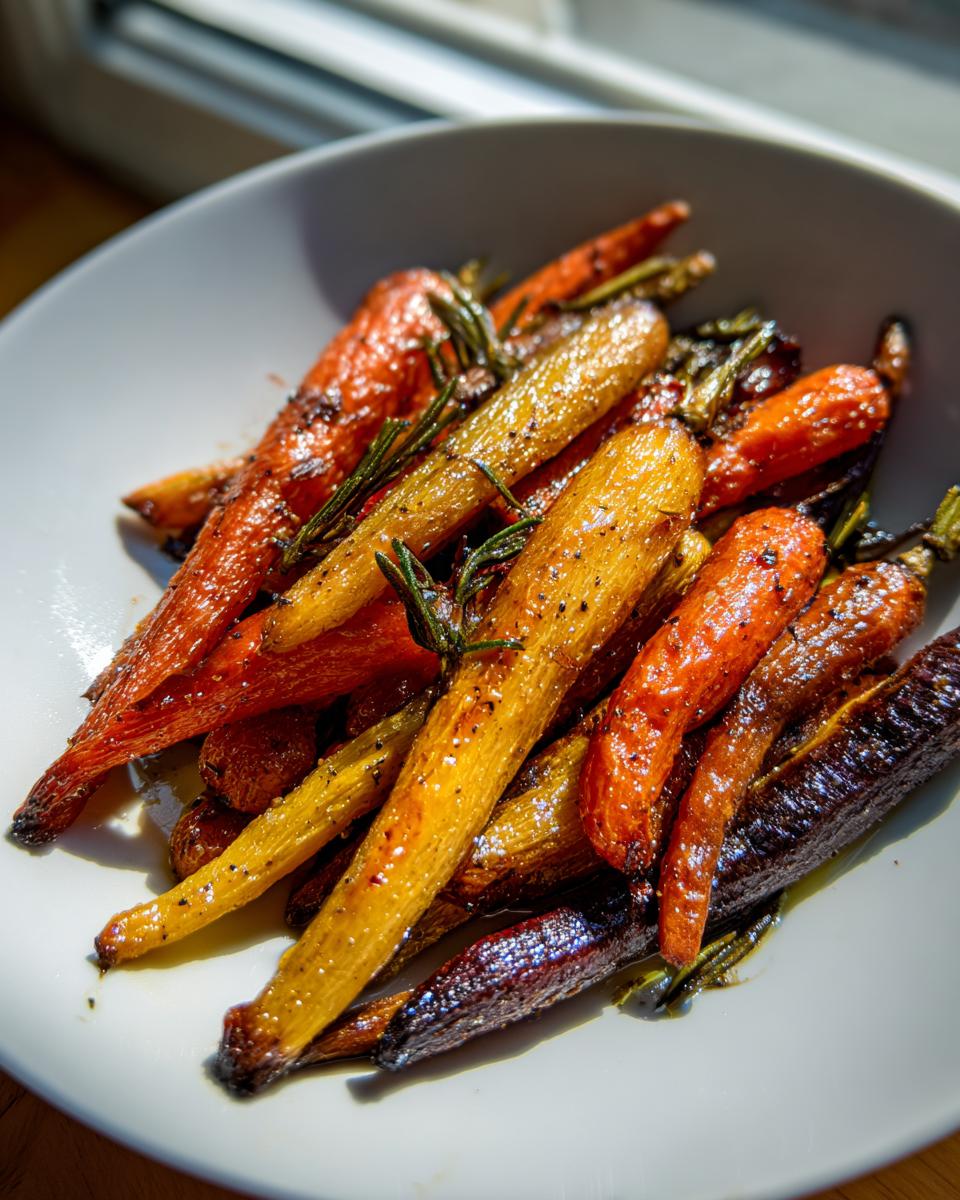
We’ve covered the basics for getting perfect roasted vegetables, but since I’m sharing my absolute best approach from my kitchen diary, let’s talk about tweaking things based on what you’re actually cooking. Roasting isn’t one-size-fits-all, especially when you start mixing things up for seasonal variety. The key is remembering that harder vegetables need more time than soft ones. I always keep a little cheat sheet mentally stored for when I’m making a large vegetable medley! Just like you need the right technique for creamy mashed potatoes, vegetables need specific heat management.
- If you are using sturdy root veggies like beets or butternut squash, you might need an extra 10 to 15 minutes of bake time total.
- For things that cook fast—like asparagus or sliced zucchini—toss them in oil and seasoning, but wait until the last 15 minutes to add them to the sheet pan with your harder veggies so they finish at the same time!
- Don’t forget that even if you skip the glaze, a final sprinkle of sea salt right when they come out of the oven makes a huge difference in flavor pop.
Adjusting Times for Fall Roasted Vegetables
When the weather cools down, I switch straight to hearty fall roasted vegetables, like big hunks of sweet potato or dense carrots. Because these are denser, they take longer to soften up without shriveling on the outside. My rule of thumb is this: if the veggie is the size of a small oven-roasted potato, expect it to need a good 35 to 40 minutes total cook time at 425°F. Always test them with a fork before serving; if it crunches, send it back in for a few more minutes. You want it tender all the way to the center!
Making This an Easy Vegetable Side Dish: Variations
One of the best things about mastering the technique for roasted vegetables is how incredibly versatile it becomes. Suddenly, you don’t need a new recipe every time you roast veggies; you just need a new spice blend! This preparation is truly the definition of an easy vegetable side dish because you can pivot the entire flavor profile instantly. If you are tired of Italian herbs, try swapping them out. A teaspoon of smoked paprika radically changes the taste for a smokier profile. Or maybe you want something totally different? Try swapping in a teaspoon of curry powder for an earthy, Indian-inspired side—it’s amazing with sweet potatoes! You can find loads of inspiration for great flavors over at my recipe for easy Italian bread, which proves simple ingredients can go so far.
Vegan Roasted Vegetables Flavor Boosters
Since this recipe is inherently vegan—yay for vegan roasted vegetables!—I like to add a specific boost right at the end to make them taste richer. Once they come out of the oven and are piping hot, toss them with a tablespoon of nutritional yeast. It gives a lovely, slightly cheesy, savory depth that works wonders. Alternatively, a final sprinkle of smoked salt just before serving deepens that caramelized flavor we worked so hard to achieve earlier.
Serving Suggestions for Your Roasted Vegetable Medley
This roasted vegetable medley tastes fantastic all by itself, but honestly, its real superpower is how well it plays with other main dishes. Because we’ve perfected that savory-yet-slightly-sweet flavor profile with the herbs and that optional Dijon kick, it’s a natural partner for practically anything. If you’re having a simple weeknight, these veggies are perfect next to a piece of grilled chicken or baked fish—it feels like you put in way more effort than you actually did!
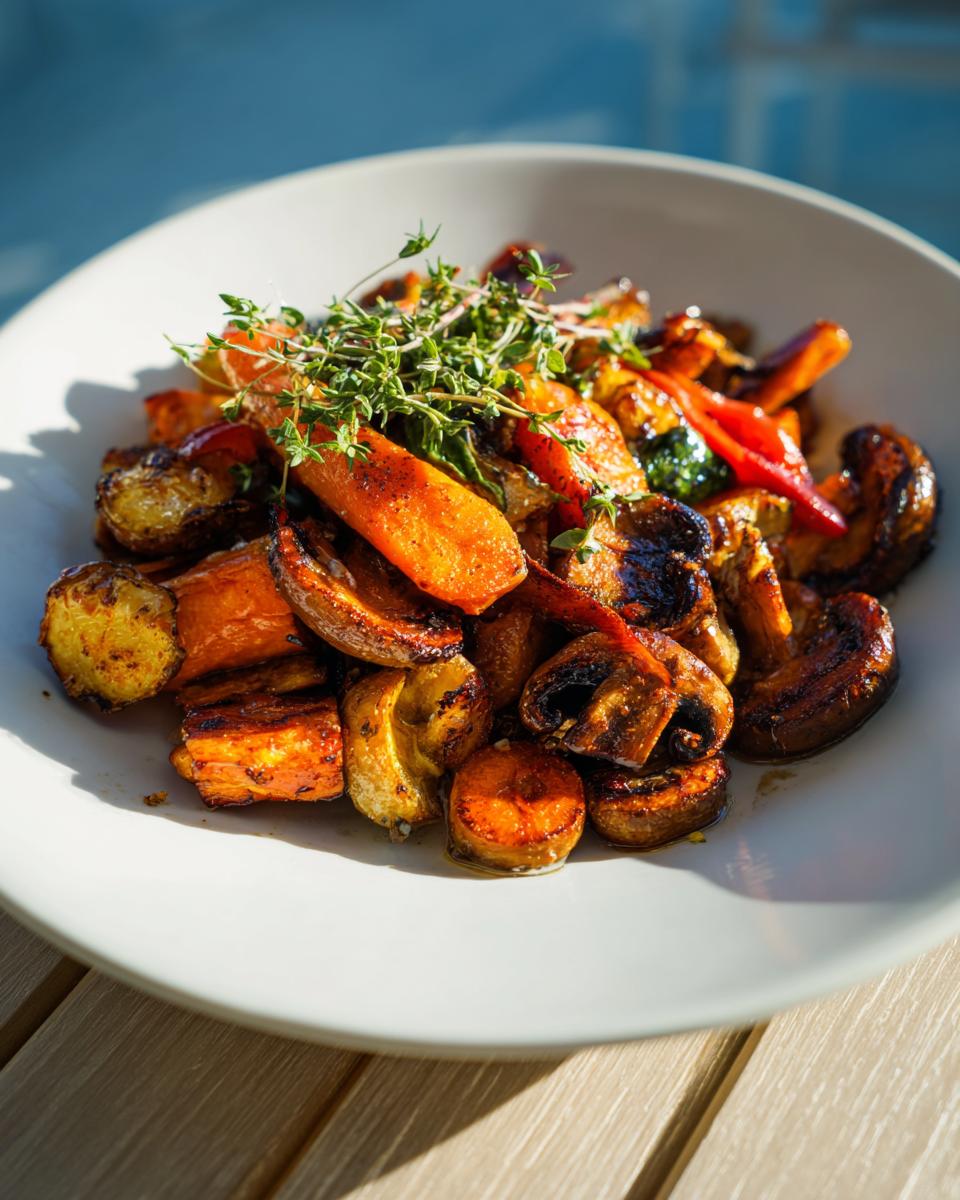
For something heartier, especially if you’re preparing a larger meal, these veggies shine alongside roast pork tenderloin or even a simple steak. They add all that color and texture you want on the plate without competing with the main star. I love pairing mine with my Marry Me Chicken when I want a one-pan dinner feel because the roast veggies soak up a tiny bit of that creamy sauce. It’s just so satisfying to serve a plate where everything looks vibrant and tastes amazing!
Storage and Reheating Instructions
So, you managed to have leftovers? That’s a win, because these roasted vegetables taste great the next day too! Store any extras in an airtight container in the fridge. I always try to eat them within three or four days max to keep the flavor bright. Now, here’s the key for your second serving: we absolutely must avoid the microwave if we want to keep that beautiful texture we worked for.
The microwave is too moist; it turns them soft instantly. Instead, I highly recommend reheating them in a toaster oven or, better yet, an air fryer for about four minutes at 375°F. If you’re heating up a bigger batch, spread them back on a baking sheet in a 400°F oven for about ten minutes. That little blast of dry heat brings back some of that lovely crispness. If you’ve ever made my leftover mashed potato cakes, you know bringing back the crunch is crucial for leftovers!
Frequently Asked Questions About Roasting Vegetables
I get so many questions about adjusting this method because everyone wants their roasted vegetables to come out perfect, which is totally understandable! If you’ve followed everything up until now, you should be set, but usually, people have quick thoughts about substitutions or texture concerns. Here are a few things I hear most often in my kitchen diary updates:
Can I use frozen vegetables for roasted vegetables?
Okay, here’s the truth: fresh is always going to win out for the best texture. Frozen vegetables are already partially cooked and full of ice crystals, which guarantees steaming unless you work hard. If you absolutely must use frozen veggies for your easy vegetable side dish, thaw them completely first. Then, lay them out on a few layers of paper towels and press down as hard as you can to wick away every drop of surface moisture. That’s the only way you’ll stand a chance at getting some browning.
What is the best oil for achieving caramelized vegetables?
You need an oil with a high smoke point, which is why the three tablespoons of good olive oil work so well for us at 425°F. It gives you that great flavor without burning off too fast. But if you are worried about burning, or if you’re making a big batch of caramelized vegetables and need to use a different fat, avocado oil is my second favorite choice. It’s super neutral and handles high heat like a champ. Just make sure whatever oil you use is distributed evenly before tossing with your seasonings!
If you want some super quick ideas for using these up for lunches, check out my thoughts on easy lunch ideas. Sometimes I just toss leftover roasted veggies straight into a grain bowl!
Recipe Snapshot and Next Steps
So there you have it—the final word on getting truly fantastic roasted vegetables without all the fuss. I know you’re ready to try this method out because it’s just too easy not to! Quick prep means you can get these on the table fast: it takes just 15 minutes to prep, 25 minutes to cook, making your total time only 40 minutes. This recipe makes about 4 servings and keeps things totally light and healthy as a vegan side dish.
I really hope these tips from my kitchen diary help you bring better side dishes to your table. Once you master this technique, let me know how it goes! You can always reach out through my contact page, or check out some other great recipes like this one from my friends over at Taste Hollow. Happy roasting!
PrintThe Ultimate Guide to Perfectly Seasoned Oven Roasted Vegetables (Crisp & Tender)
Follow this straightforward method to make oven roasted vegetables that are tender inside and caramelized outside every time. This recipe focuses on simple seasoning and proper technique for a foolproof, healthy vegetable side dish.
- Prep Time: 15 min
- Cook Time: 25 min
- Total Time: 40 min
- Yield: 4 servings 1x
- Category: Side Dish
- Method: Baking
- Cuisine: American
- Diet: Vegan
Ingredients
- 2 lbs mixed seasonal vegetables (e.g., broccoli, carrots, bell peppers, zucchini), cut into uniform pieces
- 3 tablespoons olive oil
- 1 teaspoon kosher salt
- 1/2 teaspoon black pepper
- 1 teaspoon garlic powder
- 1/2 teaspoon dried Italian herbs
- Optional Glaze: 1 tablespoon maple syrup mixed with 1 teaspoon Dijon mustard
Instructions
- Preheat your oven to 425 degrees Fahrenheit (220 degrees Celsius). Place a large baking sheet in the oven while it preheats. This step helps the vegetables start cooking immediately and promotes crisping.
- Prepare your vegetables by cutting them into pieces of similar size. This ensures even cooking. Dry the vegetables thoroughly with paper towels; excess moisture causes steaming, not roasting.
- In a large bowl, toss the dry vegetables with the olive oil until lightly coated.
- Sprinkle the salt, pepper, garlic powder, and Italian herbs over the vegetables. Toss again until the seasoning is evenly distributed.
- Carefully remove the hot baking sheet from the oven. Spread the seasoned vegetables onto the hot sheet in a single layer. Do not overcrowd the pan; use two sheets if necessary. Overcrowding leads to steaming.
- Return the baking sheet to the oven and roast for 20 to 25 minutes.
- If using the glaze, remove the vegetables halfway through cooking (around 12 minutes), brush lightly with the maple Dijon mixture, and return to the oven for the remaining time.
- Roast until the vegetables are tender when pierced with a fork and have developed browned, caramelized edges. Serve immediately as an easy vegetable side dish.
Notes
- For the best crisp roasted vegetables, ensure your oven temperature is high (425°F) and do not skip preheating the baking sheet.
- If you want a maple dijon glaze for roasted vegetables, mix 1 tablespoon of maple syrup with 1 teaspoon of Dijon mustard and brush it on during the last 10 minutes of cooking.
- This technique works well for fall roasted vegetables like sweet potatoes and Brussels sprouts, but adjust cooking time based on vegetable density.
Nutrition
- Serving Size: 1 serving
- Calories: 150
- Sugar: 5
- Sodium: 350
- Fat: 10
- Saturated Fat: 1.5
- Unsaturated Fat: 8.5
- Trans Fat: 0
- Carbohydrates: 14
- Fiber: 4
- Protein: 3
- Cholesterol: 0